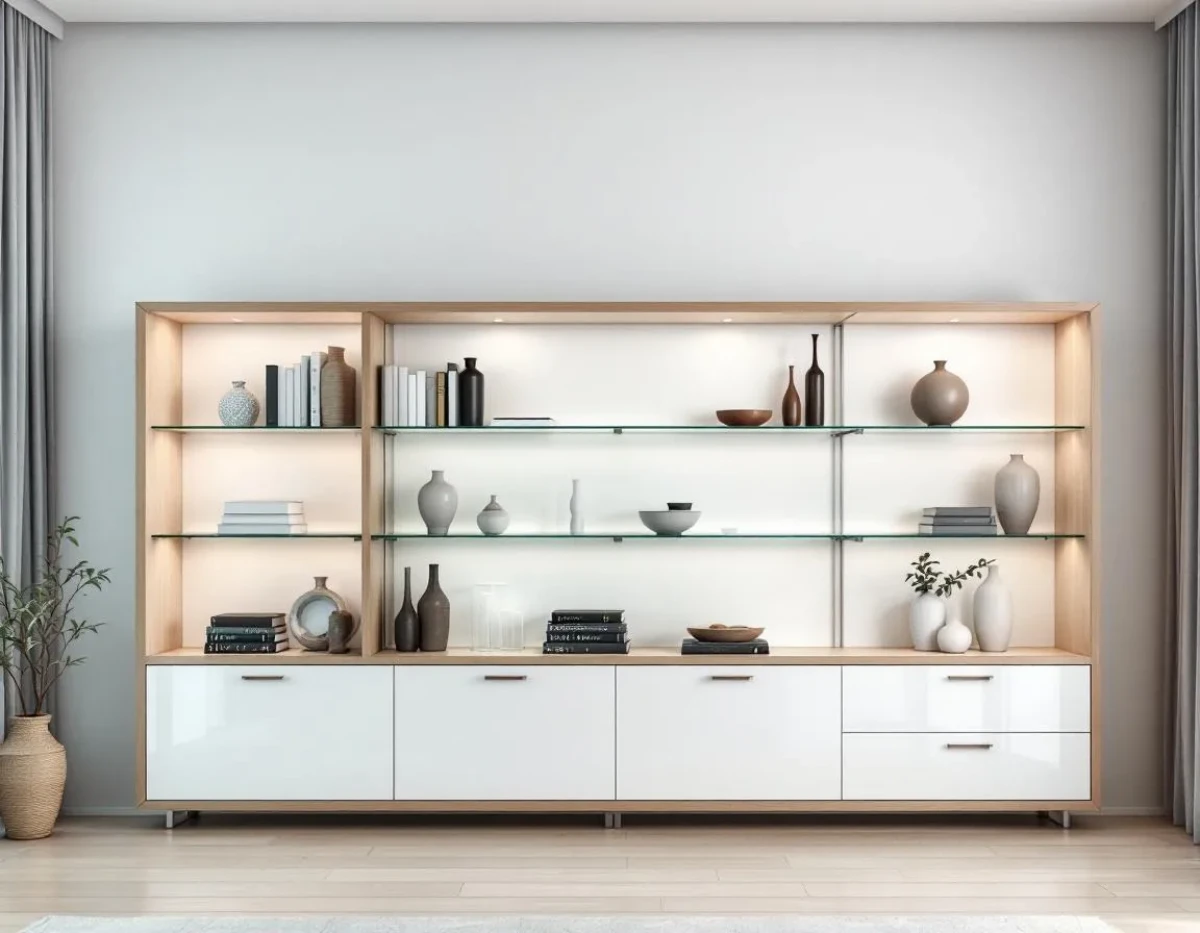

Choosing furniture goes beyond mere aesthetics - it's a decision that profoundly impacts our daily lives and living spaces. From enhancing comfort to reflecting personal style, the right furniture pieces can elevate a house into a home. This comprehensive guide delves into the multifaceted benefits of thoughtful furniture selection, exploring how it influences everything from productivity and well-being to long-term financial savings. Prepare to discover the transformative power of furniture and how making informed choices can significantly improve your living environment.
Comfort and Ergonomics: The Foundation of Well-being
At the heart of furniture selection lies the paramount consideration of comfort and ergonomics. The right furniture doesn't just look good; it feels good and supports your body in all the right ways. This is particularly crucial for pieces you use frequently, such as sofas, office chairs, and beds.
When selecting seating, pay close attention to factors like lumbar support, seat depth, and cushion firmness. A well-designed chair can prevent back pain, improve posture, and enhance overall comfort during long periods of sitting. For instance, an ergonomic office chair with adjustable features can significantly reduce the risk of developing musculoskeletal disorders among office workers.
Similarly, choosing the right mattress is vital for quality sleep and overall health. A study by the National Sleep Foundation found that 92% of people say a comfortable mattress is important for good sleep. Investing in a high-quality mattress that suits your sleeping style can lead to better sleep quality, reduced back pain, and improved daytime productivity.
The Impact of Ergonomics on Health
The benefits of ergonomic furniture extend beyond immediate comfort. Long-term use of properly designed furniture can:
- Reduce the risk of chronic pain conditions
- Improve circulation and reduce swelling in legs
- Decrease fatigue and increase energy levels
- Enhance focus and productivity
For example, a study published in the Journal of Physical Therapy Science found that using an ergonomic chair for just 4 weeks significantly reduced lower back pain among office workers. This underscores the profound impact that thoughtful furniture selection can have on our physical well-being and quality of life.
Aesthetic Appeal and Personal Expression
While comfort is crucial, the visual appeal of furniture plays an equally important role in creating a harmonious living space. Furniture is a powerful tool for personal expression, allowing individuals to showcase their unique style and create an environment that resonates with their personality.
The aesthetic value of furniture goes beyond mere decoration. It can influence mood, inspire creativity, and even affect social interactions within a space. For instance, a well-chosen dining table can become the centerpiece of family gatherings, fostering connection and creating lasting memories.
When selecting furniture for aesthetic appeal, consider factors such as:
- Color palette and how it complements the existing decor
- Texture and materials that add depth and interest to a room
- Scale and proportion in relation to the space
- Style consistency or eclectic mix that reflects personal taste
A case study of a New York loft renovation showcases how carefully selected furniture pieces transformed a stark, industrial space into a warm, inviting home. The designers used a mix of mid-century modern and contemporary pieces to create a cohesive look that respected the building's history while reflecting the owner's modern sensibilities.
The Psychology of Color in Furniture Selection
The colors of your furniture can significantly impact the ambiance of a room and even influence your mood. For example:
- Blue tones can create a calming atmosphere, ideal for bedrooms
- Yellow hues can inspire creativity and energy, perfect for home offices
- Green shades can promote a sense of balance and harmony, suitable for living areas
Understanding color psychology can help in selecting furniture that not only looks good but also contributes to the desired emotional atmosphere of each room.
Functionality and Space Optimization
In today's world, where living spaces are often at a premium, selecting furniture that maximizes functionality and optimizes space is more critical than ever. Multi-functional furniture and pieces designed for small spaces can transform cramped quarters into comfortable, efficient living areas.
Consider furniture items that serve multiple purposes, such as:
- Sofa beds for guest accommodations
- Ottoman storage units for extra seating and storage
- Extendable dining tables for flexible entertaining
- Wall-mounted desks that can be folded away when not in use
A prime example of space-optimizing furniture is the Murphy bed, which has seen a resurgence in popularity, especially in urban areas. These beds can be folded into the wall when not in use, freeing up valuable floor space during the day.
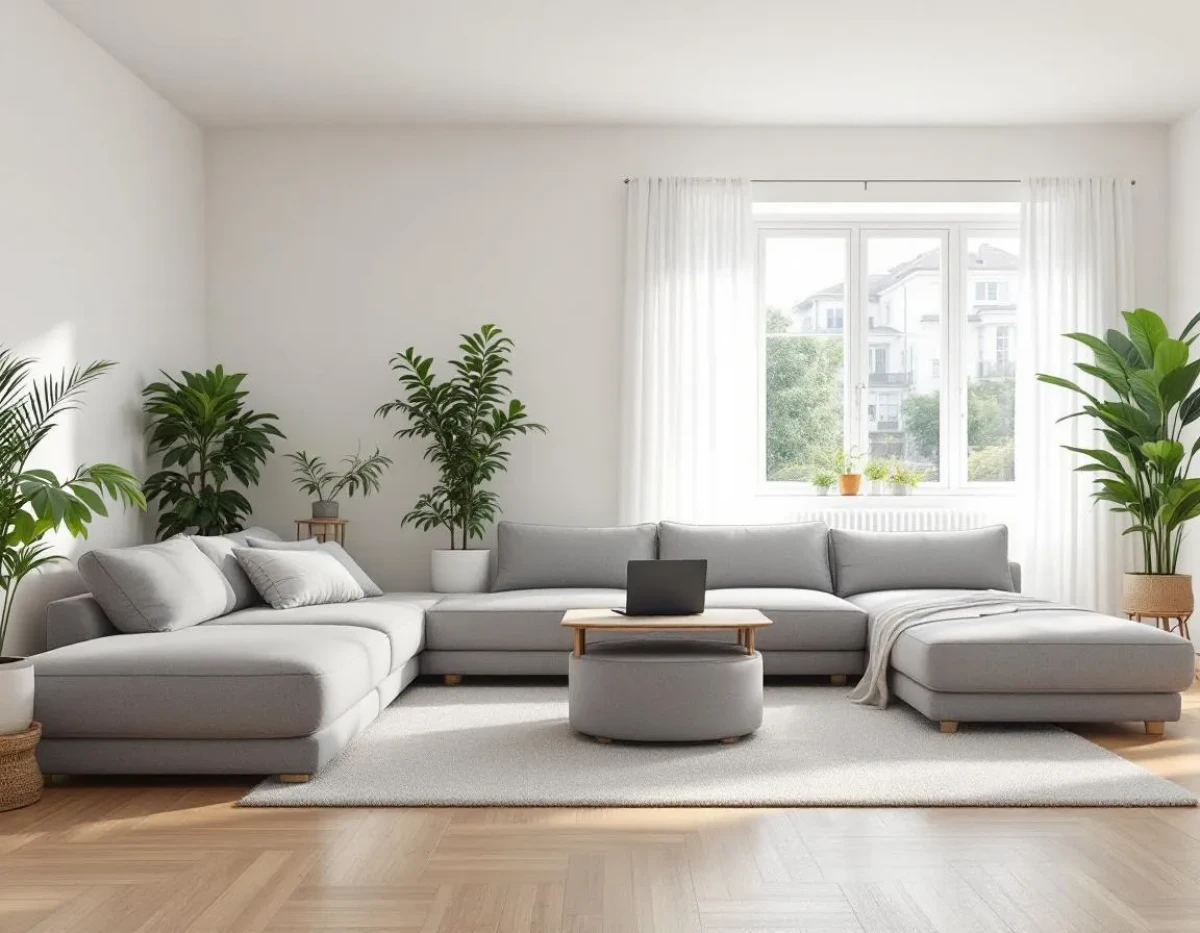
The concept of modular furniture has also gained traction, allowing for customizable configurations that can adapt to changing needs. For instance, modular sofas can be rearranged to accommodate different room layouts or social gatherings.
Smart Furniture for the Modern Home
As technology continues to integrate into our daily lives, furniture is evolving to meet these new demands. Smart furniture pieces that incorporate charging stations, built-in speakers, or adjustable lighting are becoming increasingly popular. These innovations not only add functionality but also help reduce clutter and create a more streamlined living environment.
For example, a study desk with integrated cable management and wireless charging capabilities can significantly improve workflow and reduce visual distractions, leading to increased productivity in home office settings.
Durability and Long-term Value
Investing in high-quality, durable furniture is a decision that pays dividends over time. While it may require a larger upfront investment, well-made furniture can last for decades, offering better value in the long run compared to cheaper, less durable alternatives.
When assessing the durability of furniture, consider factors such as:
- Construction methods (e.g., dovetail joints for drawers)
- Material quality (solid wood vs. particleboard)
- Finish durability
- Warranty and after-sales support
A classic example of durable furniture is the Eames Lounge Chair, first introduced in 1956. Many of these chairs from the original production run are still in use today, testament to their quality construction and timeless design.
Investing in durable furniture also has environmental benefits. By choosing pieces that last longer, consumers can reduce waste and the demand for new production, contributing to a more sustainable approach to home furnishing.
The Cost-Benefit Analysis of Quality Furniture
While the initial cost of high-quality furniture may be higher, the long-term savings can be substantial. Consider the following scenario:
A cheap sofa costing $500 may need replacement every 3-5 years, while a well-made sofa costing $2,000 could last 15-20 years or more. Over a 20-year period, the cheaper option could end up costing $2,000-$3,300, while the quality piece remains a one-time investment of $2,000. This calculation doesn't even account for the added comfort, aesthetic value, and potential increase in home value that quality furniture provides.
Health and Safety Considerations
The furniture we choose can have direct implications for our health and safety. From the materials used in construction to the ergonomic design, every aspect of furniture can impact our well-being.
Indoor air quality is a significant concern, especially with the increasing awareness of Sick Building Syndrome. Furniture made with low-VOC (Volatile Organic Compounds) materials and finishes can significantly reduce indoor air pollution. For example, solid wood furniture or pieces certified by organizations like GREENGUARD ensure lower emissions of harmful chemicals.
Safety is another crucial factor, particularly in households with children or elderly members. Furniture with rounded edges, stable construction, and non-toxic finishes can prevent accidents and injuries. For instance, dressers and bookcases should be anchored to walls to prevent tipping, a simple step that can prevent serious accidents.
Allergen Considerations in Furniture Selection
For individuals with allergies or sensitivities, careful furniture selection can make a significant difference in quality of life. Consider:
- Hypoallergenic materials for upholstery
- Easy-to-clean surfaces that don't trap dust and allergens
- Natural materials like cotton, wool, or leather that are less likely to cause reactions
A case study of a family with multiple allergy sufferers showed how switching to hypoallergenic furniture and bedding resulted in a marked improvement in symptoms and overall quality of life.
Environmental Impact and Sustainability
As global awareness of environmental issues grows, the sustainability of furniture production and materials has become an increasingly important consideration for many consumers. Choosing eco-friendly furniture can significantly reduce your carbon footprint and support more sustainable manufacturing practices.
When looking for sustainable furniture options, consider:
- Use of recycled or reclaimed materials
- Sustainably sourced wood (look for FSC certification)
- Non-toxic, low-VOC finishes
- Local production to reduce transportation emissions
- Durability and potential for repair or refurbishment
The circular economy concept is gaining traction in the furniture industry, with companies like IKEA implementing buy-back programs to reduce waste and extend the lifecycle of their products. This approach not only benefits the environment but also offers consumers more affordable options for quality furniture.
The Rise of Upcycled Furniture
Upcycling, the process of transforming waste materials or unwanted products into new furniture of higher quality or value, has become a popular trend. This approach not only reduces waste but also creates unique, one-of-a-kind pieces that add character to a home.
For example, a craftsman in Portland, Oregon, gained recognition for creating stunning dining tables from reclaimed wood sourced from old barns and factories. These pieces not only have a lower environmental impact but also bring a sense of history and craftsmanship to modern homes.
Resale Value and Investment Potential
While not all furniture is purchased with resale in mind, certain pieces can appreciate in value over time, making them not just functional items but potential investments. This is particularly true for antique furniture, limited edition pieces, or works by renowned designers.
Factors that can contribute to the investment potential of furniture include:
- Rarity and uniqueness
- Historical significance
- Quality of craftsmanship
- Designer or brand reputation
- Condition and provenance
For instance, a Charles and Ray Eames lounge chair and ottoman, originally purchased in the 1950s for around $300, can now fetch upwards of $5,000 to $7,000 at auction, depending on condition and provenance.
Even for more contemporary pieces, selecting high-quality, timeless designs can contribute to better resale value when it's time to redecorate or move. This approach allows homeowners to view furniture purchases as long-term investments rather than disposable items.
The Collector's Perspective
For some, furniture collection goes beyond functionality, becoming a passion and a form of investment. Collectors often focus on specific periods, designers, or styles, building curated collections that can appreciate significantly over time.
A notable example is the growing interest in mid-century modern furniture. Pieces that were mass-produced in the 1950s and 60s are now highly sought after, with prices for original items by designers like Eero Saarinen or Hans Wegner reaching tens of thousands of dollars.
Cultural Significance and Heritage
Furniture can be a powerful medium for preserving and expressing cultural heritage. Traditional craftsmanship techniques, regional styles, and historical designs all contribute to the rich tapestry of furniture history and can add depth and meaning to home decor.
Incorporating furniture with cultural significance can:
- Create a connection to personal or family heritage
- Support traditional craftspeople and preserve ancient techniques
- Add unique character and storytelling elements to a space
- Educate and spark conversations about different cultures and histories
For example, a Japanese tansu chest not only serves as a functional storage piece but also brings with it centuries of cultural history and craftsmanship. Similarly, Scandinavian design furniture reflects the values of simplicity, functionality, and connection to nature that are central to Nordic cultures.
The Revival of Traditional Craftsmanship
There's a growing appreciation for handcrafted furniture that incorporates traditional techniques. This trend not only produces unique, high-quality pieces but also helps preserve cultural heritage and support local artisans.
In India, for instance, there's been a resurgence of interest in traditional jodhpuri furniture, known for its intricate carving and inlay work. This revival has provided economic opportunities for skilled craftspeople and helped maintain a centuries-old tradition.
Selecting furniture with cultural significance allows homeowners to create spaces that are not just visually appealing but also rich in history and meaning.
In conclusion, the process of selecting furniture is far more than a simple shopping task. It's an opportunity to shape our living environments, express our personalities, and even make sound investments. By considering factors such as comfort, aesthetics, functionality, durability, health, sustainability, and cultural significance, we can make informed choices that enhance our daily lives and create homes that truly reflect who we are. Whether you're furnishing your first apartment or redesigning your family home, remember that each piece of furniture you choose has the potential to transform your space and contribute to your overall well-being.