In the realm of interior design, lighting plays a pivotal role in shaping the atmosphere of our living spaces. The advent of LED technology has revolutionized how we illuminate our homes, offering unprecedented control over brightness, color, and energy efficiency. This article delves into the art of using modern LED lighting solutions to create a warm and inviting home environment. We'll explore various techniques, products, and design principles that can transform your living space into a haven of comfort and style.
The Evolution of Home Lighting
The journey of home lighting has been a long and fascinating one. From the flickering flames of candles to the warm glow of incandescent bulbs, lighting has always been central to creating a comfortable living space. The introduction of LED (Light Emitting Diode) technology marked a significant leap forward in this evolution. LEDs offer several advantages over traditional lighting sources:
- Energy efficiency: LEDs consume significantly less power than incandescent or fluorescent bulbs
- Longevity: LED lights can last for tens of thousands of hours
- Versatility: They come in various colors and can be dimmed or brightened easily
- Compact size: This allows for more creative and discreet lighting designs
Understanding Color Temperature and Its Impact
One of the key factors in creating a cozy atmosphere with LED lighting is understanding color temperature. Measured in Kelvins (K), color temperature describes the warmth or coolness of light. Lower Kelvin numbers (2700K-3000K) produce a warm, yellowish light similar to traditional incandescent bulbs, ideal for creating a cozy ambiance in living rooms and bedrooms. Higher Kelvin numbers (5000K-6500K) result in a cooler, bluish-white light, more suitable for task-oriented areas like kitchens or home offices. By strategically using different color temperatures throughout your home, you can create distinct moods and enhance the functionality of each space.
Warm vs. Cool Light: Where to Use Each
Warm light (2700K-3000K) is perfect for:
- Living rooms and lounges
- Bedrooms
- Dining areas
- Kitchens
- Bathrooms
- Home offices
- Garages and workshops
Layering Light for Depth and Ambiance
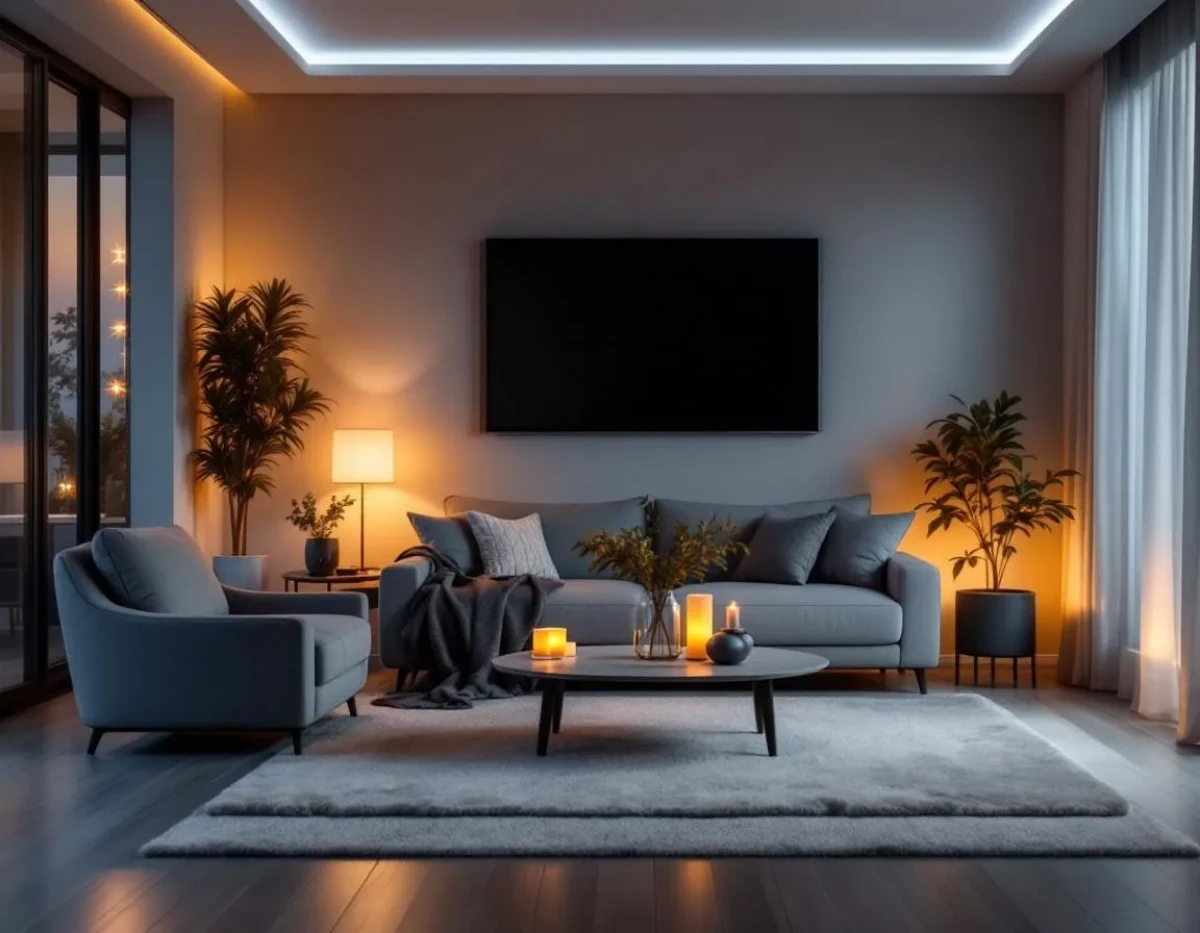
Creating a warm and inviting home isn't just about choosing the right color temperature; it's also about layering different types of lighting. This approach adds depth and dimension to your spaces, making them feel more inviting and sophisticated. The three main types of lighting to consider are:
- Ambient lighting: General illumination for the entire room
- Task lighting: Focused light for specific activities
- Accent lighting: Highlights for architectural features or artwork
- Recessed LED downlights for ambient lighting
- A floor lamp near a reading chair for task lighting
- LED strip lights behind a floating shelf for accent lighting
Smart LED Solutions for Personalized Comfort
Smart LED lighting systems have taken home illumination to new heights, offering unprecedented control and customization. These systems allow you to adjust brightness, color, and even scheduling from your smartphone or voice assistant. Some notable features of smart LED lighting include:
- Color-changing capabilities: Switch between millions of colors to suit your mood or decor
- Scheduling: Set lights to turn on or off at specific times
- Scene creation: Save and recall specific lighting configurations for different activities
- Integration with other smart home devices: Sync your lights with music, movies, or security systems
Energy Efficiency and Sustainability
While creating a warm and inviting home is the primary goal, it's worth noting the significant environmental benefits of LED lighting. LEDs are not only more energy-efficient than traditional bulbs, but they also have a longer lifespan, reducing waste. Some key points to consider:
- LEDs use up to 75% less energy than incandescent bulbs
- The average LED bulb can last 25,000 hours or more
- LEDs contain no mercury, making them safer and easier to dispose of
Design Tips for LED-lit Spaces
Incorporating LED lighting into your home design requires thoughtful planning. Here are some tips to help you create a warm and inviting atmosphere:
- Use dimmers: Install dimmer switches to adjust light levels for different times of day and activities
- Consider indirect lighting: Bounce light off walls or ceilings for a softer, more diffused glow
- Highlight architectural features: Use LED strip lights to accentuate crown molding, bookshelves, or under-cabinet areas
- Mix and match: Combine different types of LED fixtures for a layered lighting effect
- Pay attention to shadows: Position lights to minimize harsh shadows and create a balanced look
Overcoming Common LED Lighting Challenges
While LED lighting offers many benefits, there are some challenges to be aware of when designing your home's lighting scheme:
- Color rendering: Some LEDs may not accurately display the colors of objects in your home. Look for bulbs with a high CRI (Color Rendering Index) for the most natural-looking light
- Glare: LEDs can produce intense, focused light. Use frosted bulbs or diffusers to soften the light and reduce glare
- Compatibility with existing fixtures: Not all LED bulbs work with traditional dimmer switches. Check compatibility before purchasing
- Initial cost: While LEDs save money in the long run, the upfront cost can be higher than traditional bulbs
Future Trends in LED Home Lighting
The field of LED lighting is constantly evolving, with new technologies and design trends emerging regularly. Some exciting developments to watch for include:
- Human-centric lighting: Systems that adjust color temperature and intensity to support natural circadian rhythms
- Li-Fi: Using LED lights to transmit data, potentially replacing Wi-Fi in some applications
- Improved organic LEDs (OLEDs): Thinner, more flexible lighting panels that can be integrated into furniture and building materials
- Solar-powered LEDs: Combining LED efficiency with renewable energy for off-grid lighting solutions
Creating a warm and inviting home with modern LED lighting solutions is an exciting journey that combines technology, design, and personal expression. By understanding the principles of color temperature, layering light, and utilizing smart systems, you can transform your living spaces into comfortable, energy-efficient havens. As LED technology continues to advance, the possibilities for innovative and inviting home lighting designs are truly limitless.