
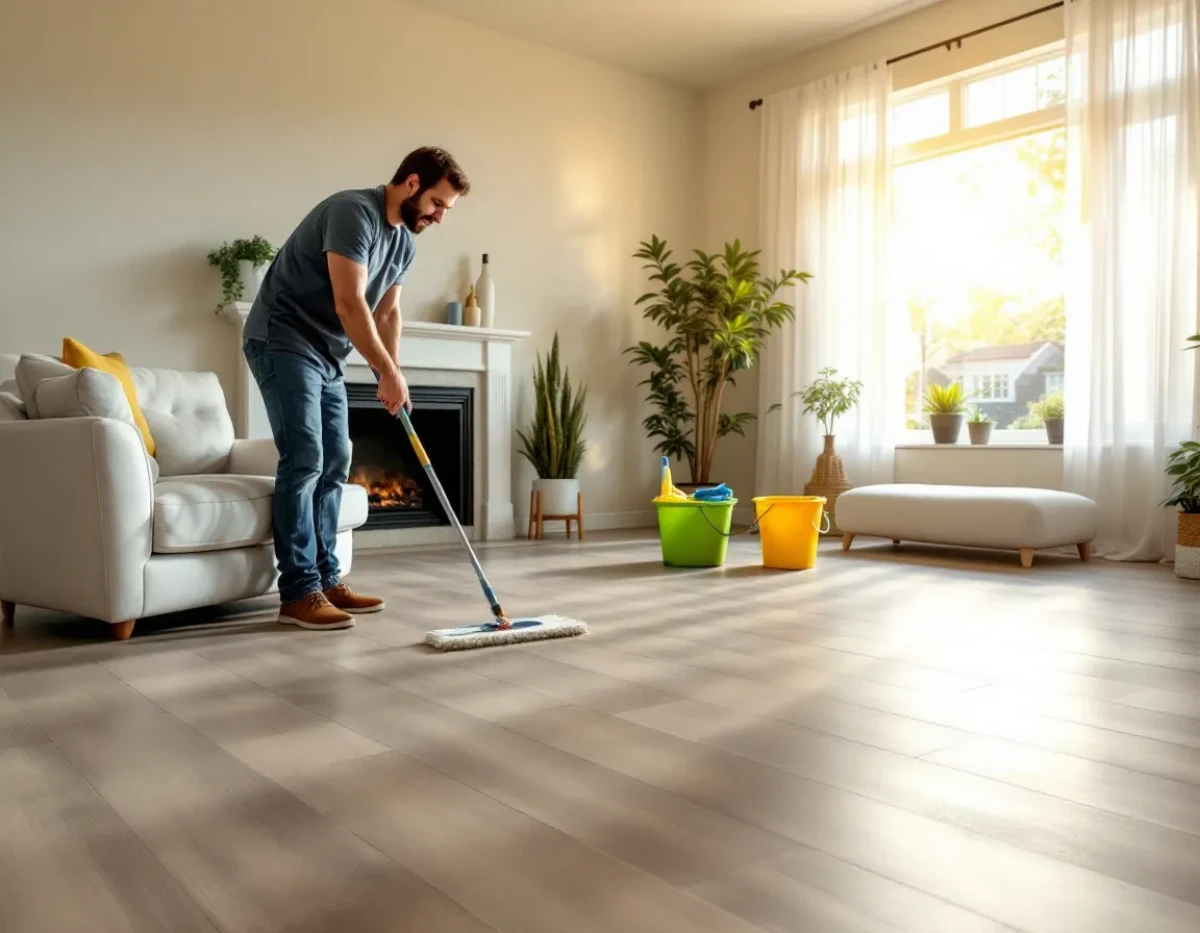
Luxury vinyl tile (LVT) flooring has become increasingly popular among homeowners for its durability, affordability, and aesthetic appeal. However, maintaining its pristine condition requires proper care and cleaning techniques. This comprehensive guide delves into the intricacies of LVT flooring maintenance, offering expert advice on cleaning methods, tools, and best practices to ensure your floors remain beautiful for years to come. Whether you're a new LVT owner or looking to optimize your cleaning routine, this article provides valuable insights for preserving your investment.
Understanding LVT Flooring
LVT flooring, short for Luxury Vinyl Tile, is a synthetic flooring option that mimics the look of natural materials like wood or stone. Its composition typically includes multiple layers:
- A wear layer that protects against scratches and stains
- A design layer featuring high-resolution images of wood, stone, or other patterns
- A core layer for stability and durability
- A backing layer that provides additional support and moisture resistance
The popularity of LVT stems from its combination of aesthetic appeal and practical benefits. It's water-resistant, easy to install, and generally more affordable than the natural materials it imitates. LVT flooring can withstand heavy foot traffic, making it an excellent choice for busy households or commercial spaces.
One of the primary advantages of LVT is its low maintenance requirements compared to hardwood or natural stone. However, proper care is still essential to maintain its appearance and extend its lifespan. Understanding the composition and characteristics of LVT helps in developing an effective cleaning and maintenance routine.
Daily Maintenance for LVT Flooring
The key to keeping LVT flooring in top condition lies in regular, gentle cleaning. Daily maintenance prevents the buildup of dirt and grime that can dull the floor's appearance over time. Here are some essential daily care tips:
- Sweep or vacuum regularly to remove loose dirt and debris
- Use a soft-bristled broom or a vacuum cleaner with a soft brush attachment
- Avoid using beater bars or hard bristles that could scratch the surface
- Wipe up spills immediately to prevent staining or damage
For households with pets, consider placing mats at entryways to catch dirt and moisture before it reaches the LVT. Additionally, use felt pads under furniture legs to prevent scratches when moving items across the floor.
A microfiber mop can be highly effective for daily cleaning. Slightly dampen the mop with water and gently go over the floor to pick up any remaining dust or light dirt. This method is particularly useful for maintaining the floor's shine without using harsh chemicals or excess water.
Dealing with High-Traffic Areas
Areas of your home that see more foot traffic, such as entryways or kitchen floors, may require more frequent attention. In these zones, consider:
- Placing area rugs or runners to protect the LVT
- Increasing the frequency of sweeping or vacuuming
- Performing spot cleaning as needed to address scuffs or marks
By focusing extra care on these high-use areas, you can prevent wear patterns from developing and maintain a consistent appearance across your LVT flooring.
Deep Cleaning Techniques for LVT Flooring
While daily maintenance keeps LVT flooring looking good, periodic deep cleaning is necessary to remove stubborn dirt and restore the floor's original luster. Here's a step-by-step guide for deep cleaning your LVT:
- Clear the area of furniture and rugs
- Thoroughly sweep or vacuum to remove loose debris
- Prepare a cleaning solution suitable for LVT (avoid harsh chemicals or abrasive cleaners)
- Mop the floor using a damp mop, not soaking wet, to avoid water seepage into seams
- For stubborn stains, use a soft-bristled brush to gently scrub the area
- Rinse the floor with clean water to remove any residue
- Dry the floor with a clean, soft cloth or allow it to air dry
When selecting a cleaning solution, opt for pH-neutral cleaners specifically designed for vinyl flooring. These products effectively clean without leaving residue or damaging the floor's protective layer. Avoid using traditional mops that can leave excess water on the floor, which may seep into seams and cause damage.
Removing Tough Stains
For particularly stubborn stains on LVT flooring, targeted cleaning may be necessary. Different types of stains require different approaches:
- For food or beverage stains, use a mixture of warm water and mild dish soap
- For scuff marks, gently rub the area with a tennis ball or magic eraser
- For oil-based stains, use a specialized vinyl floor cleaner
Always test any cleaning solution on an inconspicuous area first to ensure it won't damage or discolor the LVT. Avoid using abrasive materials or scrubbing too hard, as this can damage the floor's protective layer.
Protecting LVT Flooring from Damage
Prevention is often the best strategy for maintaining LVT flooring. Implementing protective measures can significantly reduce the need for intensive cleaning and repair. Consider the following tips:
- Use doormats at all entrances to trap dirt and moisture
- Implement a no-shoes policy indoors to reduce dirt tracked onto the floor
- Apply felt pads to the bottom of furniture legs to prevent scratches
- Use protective mats under rolling chairs in office areas
- Avoid dragging heavy objects across the floor
Sunlight exposure can cause LVT flooring to fade over time. Use window treatments to minimize direct sunlight on the floor during peak hours. This not only protects the floor but can also help regulate indoor temperatures.
Dealing with Water and Moisture
While LVT is more water-resistant than many flooring options, excessive moisture can still cause problems. To protect your flooring:
- Clean up spills immediately
- Use bath mats in bathrooms to catch water splashes
- Avoid wet mopping or using steam cleaners on LVT
- Check for and repair any leaks promptly to prevent water damage
In areas prone to moisture, such as basements or bathrooms, consider using a dehumidifier to control humidity levels and prevent moisture-related issues with your LVT flooring.
Common Mistakes to Avoid with LVT Flooring Care
Even with the best intentions, homeowners sometimes make mistakes that can damage their LVT flooring. Being aware of these common pitfalls can help you avoid them:
- Using abrasive cleaners or scrubbers that can scratch the surface
- Applying wax or polish, which can leave a residue and dull the floor's appearance
- Using steam mops, which can force moisture into seams and cause damage
- Neglecting to clean up spills promptly, leading to staining or water damage
- Using vinegar or ammonia-based cleaners, which can break down the protective coating
Another common mistake is using too much water when cleaning. LVT is designed to be water-resistant, but excess moisture can seep into seams and edges, potentially causing the flooring to lift or warp. Always use a damp mop rather than a wet one, and avoid leaving standing water on the floor.
The Impact of Cleaning Tools
The tools you use to clean your LVT flooring can significantly impact its longevity and appearance. Avoid:
- Beater bar vacuum attachments that can scratch the surface
- Steel wool or other abrasive scrubbers
- Mops that leave excess water on the floor
Instead, opt for soft-bristled brooms, microfiber mops, and vacuums with soft brush attachments designed for hard surfaces. These tools effectively clean without risking damage to your LVT flooring.
Professional Maintenance and Repair
While LVT flooring is generally low-maintenance, there may be times when professional help is needed. Consider consulting a flooring professional if you encounter:
- Deep scratches or gouges that affect the appearance or integrity of the floor
- Separation between planks or tiles
- Discoloration that doesn't respond to cleaning
- Warping or lifting of the flooring
Professional flooring services can offer deep cleaning treatments that rejuvenate your LVT without risking damage. They can also provide repairs for more serious issues, potentially extending the life of your flooring and saving you the cost of replacement.
When to Consider Replacement
While LVT is known for its durability, it's not indestructible. Signs that it might be time to consider replacing your LVT flooring include:
- Extensive wear or damage that affects large areas of the floor
- Persistent issues with lifting or separating planks
- Fading or discoloration that significantly impacts the floor's appearance
- Water damage that has compromised the integrity of the flooring
If you're considering replacement, consult with a flooring professional to explore your options. Advances in LVT technology may offer new features or improved durability compared to your current flooring.
Eco-Friendly Cleaning Solutions for LVT Flooring
For environmentally conscious homeowners, there are several eco-friendly options for cleaning LVT flooring that are both effective and safe for the environment:
- Use a mixture of warm water and mild, biodegradable soap
- Try a solution of water and baking soda for gentle scrubbing
- Use microfiber mops that require less water and fewer chemicals
- Look for commercial cleaners certified as environmentally friendly
These green cleaning methods not only protect your flooring but also reduce the environmental impact of your cleaning routine. Many eco-friendly products are just as effective as traditional cleaners without the harsh chemicals that can potentially damage LVT or harm the environment.
DIY Cleaning Solutions
For those who prefer homemade cleaning solutions, here are some safe options for LVT flooring:
- Mix 1 cup of white vinegar with 1 gallon of hot water (use sparingly to avoid residue)
- Combine equal parts water and rubbing alcohol for a quick-drying cleaner
- Use a few drops of mild dish soap in warm water for general cleaning
Always test homemade solutions on a small, inconspicuous area first to ensure they don't cause discoloration or damage to your LVT flooring.
Seasonal Care for LVT Flooring
The changing seasons can bring different challenges for LVT flooring maintenance. Adapting your care routine to seasonal conditions can help protect your floors year-round:
Spring and Summer Care
During warmer months, focus on:
- Increased frequency of cleaning to address tracked-in pollen and dirt
- Using window coverings to protect against increased sun exposure
- Monitoring humidity levels to prevent moisture-related issues
Fall and Winter Care
In colder seasons, pay attention to:
- Placing mats at entryways to catch snow, salt, and mud
- Promptly cleaning up any melted snow or ice to prevent water damage
- Maintaining indoor humidity levels to prevent the flooring from drying out
By adjusting your care routine to address seasonal challenges, you can maintain the beauty and integrity of your LVT flooring throughout the year.
Maintaining LVT flooring requires a combination of regular care, proper cleaning techniques, and preventive measures. By following these guidelines, homeowners can ensure their LVT floors remain beautiful, durable, and long-lasting. Remember that gentle, consistent care is key to preserving the quality of your flooring investment. With the right approach, your LVT flooring can continue to enhance your home's aesthetic and value for many years to come.