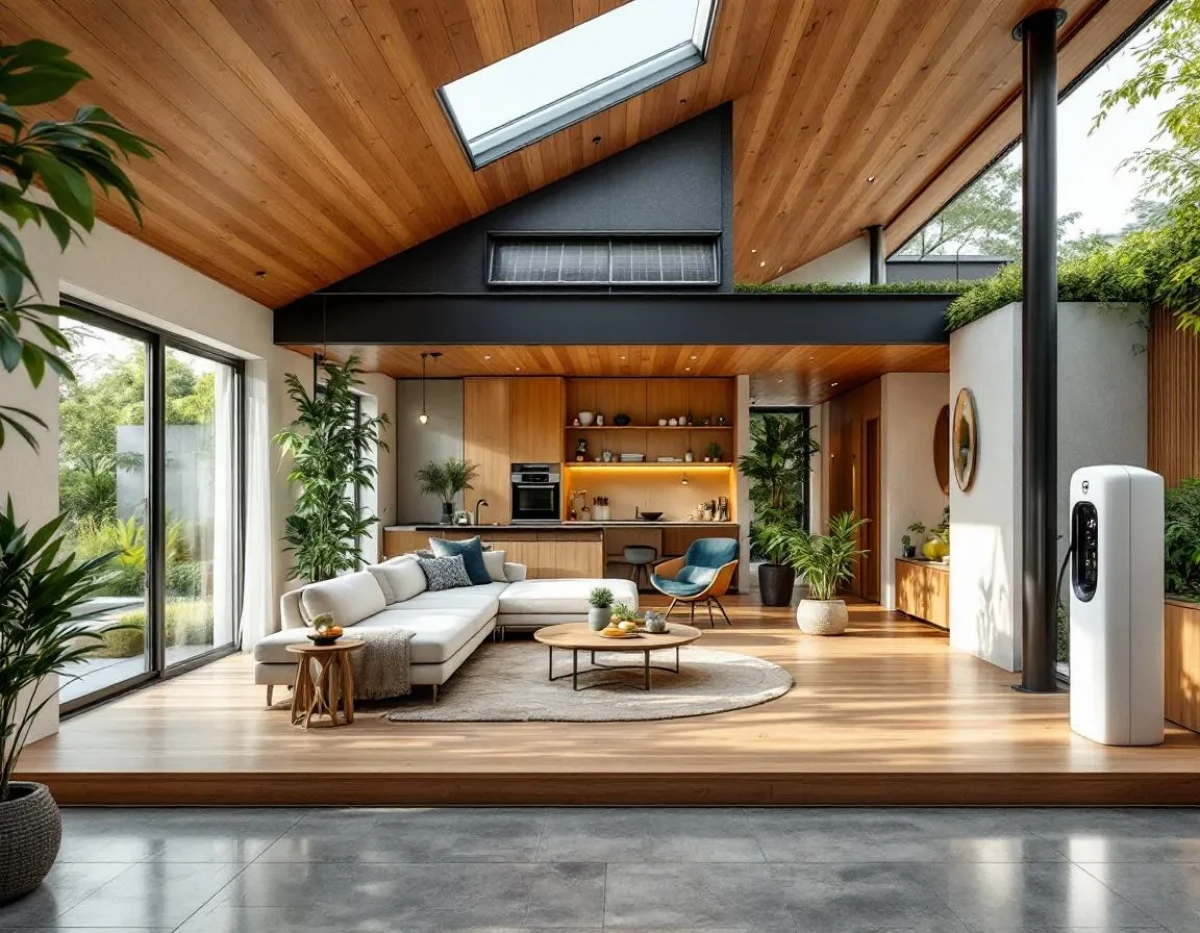
The intersection of opulence and environmental responsibility is giving rise to a new paradigm in high-end real estate. Sustainable luxury homes are redefining what it means to live lavishly while treading lightly on the planet. This evolution in residential architecture marries cutting-edge green technologies with sumptuous design, creating dwellings that are as kind to the Earth as they are indulgent to their inhabitants. From energy-efficient systems to biophilic elements, these homes are setting new standards for eco-conscious living without compromising on comfort or style.
The Foundation of Sustainable Luxury
At the core of sustainable luxury home development lies a commitment to reducing environmental impact while elevating the living experience. This approach begins with thoughtful site selection and orientation to maximize natural light and ventilation. Architects and designers are increasingly turning to passive solar design principles, which harness the sun's energy to regulate indoor temperatures naturally. By incorporating features such as south-facing windows, thermal mass materials, and strategic shading, these homes can significantly reduce heating and cooling needs.
The materials used in construction play a pivotal role in a home's sustainability profile. Reclaimed wood, recycled metal, and locally-sourced stone not only add character and warmth but also minimize the carbon footprint associated with transportation and production of new materials. Advanced insulation techniques, including the use of structural insulated panels (SIPs) and aerogel, ensure that these luxurious spaces maintain optimal temperatures with minimal energy expenditure.
Water conservation is another critical aspect of sustainable luxury homes. Greywater systems repurpose water from sinks and showers for irrigation, while rainwater harvesting systems collect and store precipitation for various household uses. High-efficiency fixtures and appliances further reduce water consumption without sacrificing performance or aesthetics.
Case Study: The Living Home
One exemplary project that embodies these principles is 'The Living Home' in California. This 4,500-square-foot residence achieves net-zero energy status through a combination of solar panels, geothermal heating and cooling, and a sophisticated energy management system. The home's design incorporates floor-to-ceiling windows made from low-E glass, which maximizes natural light while minimizing heat gain. A living roof not only provides insulation but also supports local biodiversity and helps manage stormwater runoff.
Integrating Smart Technology for Efficiency
Smart home systems are revolutionizing the way luxury residences operate, offering unprecedented control over energy use and home functions. These intelligent networks can learn occupants' habits and preferences, automatically adjusting lighting, temperature, and even window shades to optimize comfort and efficiency. Voice-activated assistants and mobile apps allow homeowners to monitor and manage their energy consumption in real-time, fostering a more conscious approach to resource use.
Advanced energy storage solutions, such as Tesla Powerwall batteries, enable homes to store excess energy generated by solar panels for use during peak hours or cloudy days. This technology not only reduces reliance on the grid but also provides a backup power source during outages, enhancing the resilience of these high-end properties.
Smart irrigation systems use weather data and soil moisture sensors to water gardens and lawns only when necessary, conserving water while maintaining lush landscapes. In the kitchen, smart appliances can suggest energy-efficient cooking methods and even order groceries automatically, reducing food waste and optimizing meal planning.
The Role of Artificial Intelligence
Artificial Intelligence (AI) is taking smart home technology to new heights in sustainable luxury residences. AI algorithms can analyze data from various sensors throughout the home to predict and prevent potential issues, from water leaks to air quality concerns. This proactive approach to home maintenance not only saves resources but also ensures that the property remains in pristine condition with minimal human intervention.
Biophilic Design: Bringing Nature Indoors
Biophilic design principles are at the forefront of sustainable luxury home architecture, recognizing the innate human need to connect with nature. This approach goes beyond simply adding plants to interiors; it involves creating spaces that mimic natural environments and incorporate organic elements throughout the home.
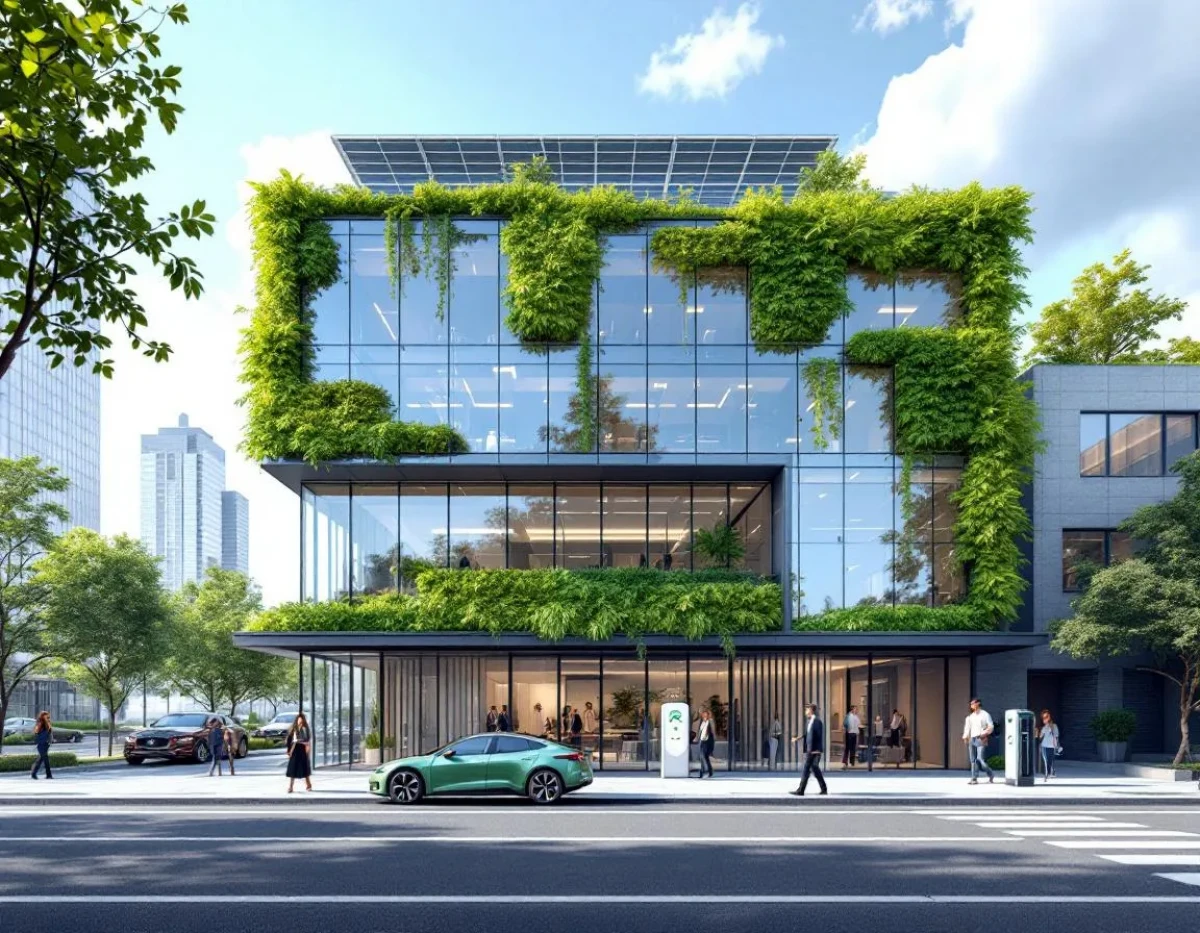
Living walls, also known as vertical gardens, are becoming increasingly popular in high-end sustainable homes. These lush, green installations not only serve as stunning focal points but also improve indoor air quality by filtering pollutants and increasing oxygen levels. Some designs even incorporate edible plants, allowing residents to grow herbs and vegetables right in their living spaces.
Natural light is maximized through the use of skylights, light tubes, and strategically placed windows. This not only reduces the need for artificial lighting but also has been shown to improve mood and productivity. Water features, such as indoor fountains or ponds, add a soothing auditory element while helping to regulate humidity levels.
The use of natural materials extends beyond construction to interior finishes and furnishings. Organic fabrics, untreated woods, and stone surfaces create a tactile connection to the natural world. Even the layout of rooms can be designed to mimic natural spaces, with winding pathways and varied ceiling heights that create a sense of exploration and discovery.
The Healing Home Concept
The integration of biophilic design in sustainable luxury homes has given rise to the concept of the 'healing home'. These spaces are designed to promote physical and mental well-being through features such as circadian lighting systems that mimic natural light patterns, air purification systems that remove allergens and toxins, and spaces dedicated to meditation and relaxation. The healing home concept recognizes that true luxury encompasses not just material comforts but also health and wellness.
Sustainable Landscaping and Outdoor Living
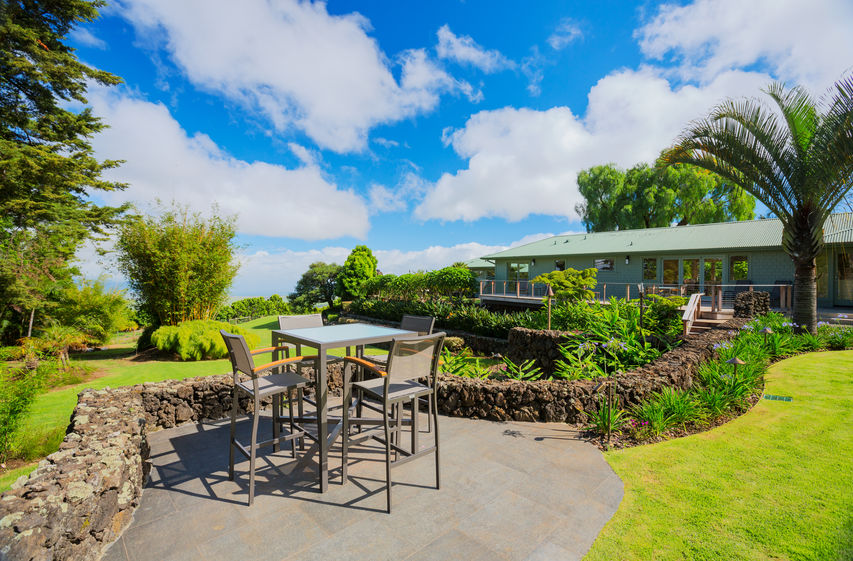
The principles of sustainability extend beyond the walls of luxury homes to encompass the surrounding landscape. Xeriscaping, a landscaping method that reduces or eliminates the need for irrigation, is gaining popularity in drought-prone areas. This approach uses native, drought-resistant plants and efficient watering techniques to create beautiful outdoor spaces that require minimal maintenance and water use.
Permeable paving materials for driveways and patios allow rainwater to seep into the ground, reducing runoff and helping to recharge local aquifers. Green roofs and living walls on exterior surfaces provide insulation, reduce the urban heat island effect, and create habitats for local wildlife.
Outdoor living spaces are being designed with sustainability in mind, incorporating features such as:
- Solar-powered outdoor lighting
- Rainwater-fed swimming pools and water features
- Outdoor kitchens with energy-efficient appliances
- Composting systems for garden waste
- Beehives and butterfly gardens to support local pollinators
These elements not only contribute to the home's overall sustainability but also create luxurious outdoor environments that seamlessly blend with the natural surroundings.
The Edible Estate
Some sustainable luxury homes are taking the concept of outdoor living a step further by incorporating edible landscapes. These designs replace traditional ornamental gardens with aesthetically pleasing arrangements of fruit trees, vegetable beds, and herb gardens. This approach not only provides fresh, organic produce for the household but also reduces the carbon footprint associated with food transportation and packaging.
The Future of Sustainable Luxury Homes
As technology advances and environmental concerns become increasingly pressing, the future of sustainable luxury homes looks bright and innovative. 3D-printed homes are emerging as a potential solution for reducing construction waste and creating complex, organic shapes that maximize energy efficiency. These homes can be built using recycled materials and require less labor, potentially making sustainable luxury more accessible.
Self-sufficient homes that generate their own power, process their own waste, and even produce their own food are no longer just a futuristic concept. Projects like the ReGen Villages in the Netherlands are pioneering closed-loop systems where luxury meets complete sustainability.
The integration of virtual and augmented reality in home design allows for immersive experiences that can reduce the need for physical travel and material consumption. Imagine attending a concert or visiting a museum from the comfort of your sustainably designed home theater.
As climate change continues to impact our planet, resilient design will become increasingly important in luxury home construction. This includes features such as:
- Flood-resistant foundations
- Fire-resistant materials
- Hurricane-proof windows and doors
- Self-sustaining power and water systems
These elements ensure that sustainable luxury homes can withstand extreme weather events and maintain comfort and functionality even in challenging conditions.
The development of sustainable luxury homes represents a significant shift in how we perceive and create high-end living spaces. By combining cutting-edge technology, thoughtful design, and a deep respect for the environment, these homes offer a vision of the future where opulence and eco-consciousness coexist harmoniously. As awareness grows and technologies advance, sustainable luxury homes will likely become the new standard in high-end real estate, setting a precedent for responsible living across all housing sectors.