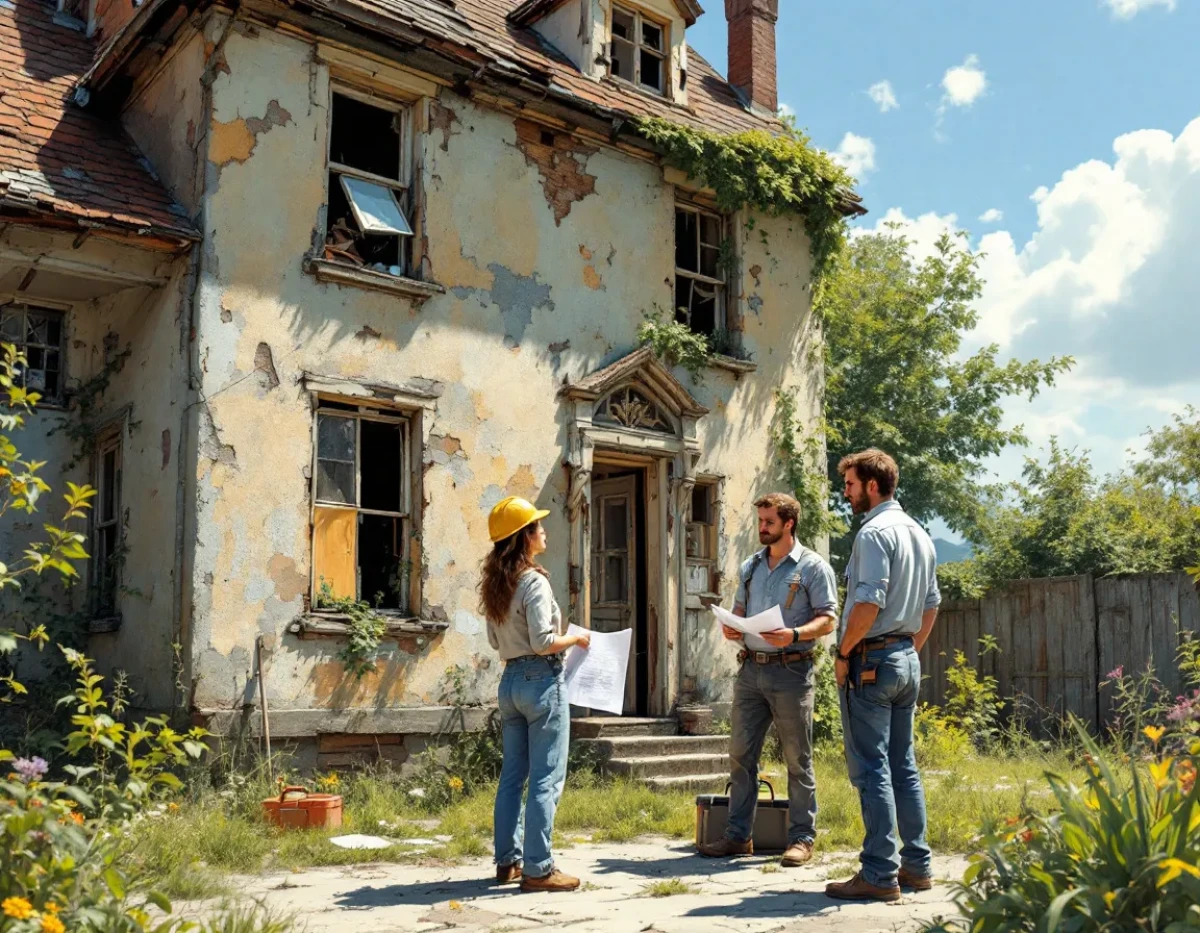
Purchasing a fixer-upper represents a significant real estate strategy that attracts both seasoned investors and first-time homebuyers. These properties—typically selling below market value due to their condition—offer potential for substantial equity growth through strategic renovations. The allure lies in the opportunity to transform a neglected house into a personalized home while potentially building wealth. Yet this path comes with considerable challenges, from unexpected costs to lengthy timelines. Understanding both the rewards and pitfalls of fixer-uppers helps buyers make informed decisions about whether this property type aligns with their financial capabilities, renovation skills, and long-term housing goals.
Financial Considerations: The True Cost of Renovation
The purchase price of a fixer-upper often appears as a bargain compared to move-in ready homes in the same neighborhood. This initial discount—sometimes 20-30% below market value—creates the financial appeal that draws many buyers. Nevertheless, the total investment extends far beyond the asking price. Comprehensive budget planning must account for materials, labor, permits, unexpected problems, and carrying costs during renovation.
Most renovation projects exceed their initial budgets. Industry professionals recommend setting aside a contingency fund of at least 15-20% beyond estimated renovation costs. This buffer helps manage the inevitable surprises hidden behind walls, under floors, or within aging systems. First-time renovators particularly underestimate costs related to structural issues, which can quickly consume renovation budgets when problems with foundations, roof systems, or load-bearing walls emerge.
Financing a fixer-upper presents unique challenges. Traditional mortgages often won't cover extensive renovation costs, leading buyers to specialized options like FHA 203(k) loans or HomeStyle Renovation mortgages. These products combine the purchase price and renovation costs into a single loan, though they typically involve additional paperwork, oversight, and sometimes higher interest rates than conventional mortgages.
The long-term financial equation must consider potential appreciation. In many markets, renovated homes in improving neighborhoods can experience value increases that exceed renovation costs, creating forced equity. This equity building represents the primary financial advantage of fixer-uppers. A strategic renovation that costs $75,000 might add $100,000 or more to the property's market value, particularly when focusing on high-return improvements like kitchen modernization, bathroom updates, or floor plan modifications.
Tax implications merit consideration. While renovation expenses aren't typically tax-deductible for primary residences, certain energy-efficient upgrades may qualify for tax credits. Additionally, if the property significantly appreciates and is sold, capital gains exclusions for primary residences can shelter up to $250,000 in profit for individuals or $500,000 for married couples, making the fixer-upper strategy even more financially attractive for those willing to navigate its challenges.
Renovation Realities: Skills, Time, and Stress Factors
The physical and emotional demands of renovating a fixer-upper often surprise first-time renovators. The time commitment extends beyond weekends and evenings, potentially consuming months or even years depending on project scope and available resources. Even for those hiring contractors rather than pursuing DIY approaches, the project management aspects require substantial time for research, decision-making, material selection, and quality oversight.
Assessing personal skill levels honestly determines which tasks homeowners can realistically handle themselves. While cosmetic improvements like painting, landscaping, or installing fixtures might be manageable for novices, structural modifications, electrical work, and plumbing typically require professional expertise. The cost savings of DIY must be weighed against the risk of amateur mistakes that potentially compromise safety or require expensive corrections later.
Living conditions during renovation create additional stress factors. Many buyers underestimate the livability challenges of residing in an active construction zone—dealing with dust, noise, limited functionality, and privacy concerns. Families with young children or remote workers face particular difficulties in these environments. Alternative living arrangements during major renovations add costs but may preserve mental wellbeing.
Relationship strain represents an often-overlooked renovation reality. Couples frequently disagree about priorities, aesthetics, budgets, and timelines. These tensions, combined with the general stress of managing a complex project, can create decision fatigue and conflict. Successful renovators typically establish clear communication protocols and decision-making frameworks before beginning work.
- Common renovation stressors include: budget overruns, contractor reliability issues, permit delays, and supply chain disruptions
- Effective coping strategies include: maintaining flexible timelines, prioritizing essential systems before aesthetics, and creating temporary functional spaces
The psychological rewards balance these challenges. Many renovators report profound satisfaction from the transformation process—seeing their vision materialize through their efforts creates a unique connection to the home. This emotional investment often translates to longer ownership periods and greater property pride compared to buyers of move-in ready homes. The skills developed through renovation projects—from technical abilities to negotiation tactics with suppliers—provide valuable life competencies transferable to future property investments or other endeavors.
Property Selection: Identifying Diamonds in the Rough
The success of a fixer-upper project begins with selecting the right property. The ideal candidate balances needed improvements against fundamental quality and location advantages. The real estate adage about location primacy applies especially to fixer-uppers—a well-located property with significant defects often represents better value than a pristine home in an undesirable area. Neighborhood trajectory matters equally; properties in areas showing signs of revitalization may offer greater appreciation potential.
Distinguishing between cosmetic defects and structural problems critically affects renovation economics. Homes needing primarily surface improvements—outdated finishes, worn flooring, dated fixtures—typically offer better return on investment than those requiring major system replacements or structural corrections. The most profitable fixer-uppers often look worse than they actually are, with superficial issues that create strong buyer aversion but can be remedied relatively inexpensively.
Professional inspections prove invaluable for fixer-upper assessment. Beyond standard home inspections, specialized evaluations of foundational integrity, roof systems, sewer lines, and environmental hazards help quantify renovation requirements. These inspections, though representing additional upfront costs, provide crucial data for accurate budgeting and negotiation leverage. First-time renovators should particularly prioritize understanding potential issues with water damage, which often indicates more extensive problems than immediately visible.
Floor plan evaluation deserves careful attention. Properties with fundamentally sound layouts that require minimal structural changes offer better renovation economics than those needing wall removals or additions. The spatial flow between rooms, natural light access, and ceiling heights significantly impact post-renovation livability and value. These characteristics typically cannot be altered without substantial expense.
Historical significance presents both opportunities and constraints. Properties with architectural heritage may qualify for preservation incentives, grants, or tax benefits that offset renovation costs. However, these same properties often face strict renovation guidelines that limit modification options and increase project complexity. Understanding local historic preservation requirements before purchase prevents costly surprises during the permitting process. The most successful historic renovations balance authentic preservation with thoughtful modernization of systems and functionality.
Market Timing and Resale Considerations
The profitability of fixer-upper investments correlates strongly with market cycles. During seller's markets with limited inventory, the price gap between distressed and move-in ready properties often narrows, reducing the financial advantage of renovation. Conversely, buyer's markets typically feature wider price disparities between property conditions, creating more favorable economics for renovation projects. Analyzing these spreads within specific neighborhoods provides crucial data for investment decisions.
Renovation scope should align with neighborhood value parameters. The concept of over-improvement—renovating beyond what the local market will support—represents a common mistake among fixer-upper buyers. Each neighborhood has ceiling values that even exceptional properties struggle to exceed. Sophisticated renovators research recent comparable sales to identify these thresholds before finalizing renovation plans, ensuring improvements will be rewarded by the market.
Resale timing significantly impacts return on investment. The optimal holding period balances renovation completion against market appreciation trends. While some investors pursue quick flips with minimal holding periods, others maximize returns through medium-term ownership that captures neighborhood improvement trends. Tax considerations further influence this timing—properties held less than one year face higher short-term capital gains rates than those owned longer.
Renovation choices should reflect market preferences rather than purely personal taste. While fixer-uppers offer customization opportunities, excessive personalization may compromise resale potential. The most financially successful renovations focus on broad appeal in primary areas while reserving personal expression for easily changed elements. This balance ensures the property will attract future buyers while still reflecting the current owner's aesthetic.
Documentation of improvements provides both practical and marketing advantages. Maintaining detailed records of permits, contractor work, material specifications, and before/after conditions serves multiple purposes. These records facilitate insurance claims, support future maintenance decisions, and become powerful marketing assets when selling. Buyers typically pay premiums for renovated properties with comprehensive documentation demonstrating quality workmanship and appropriate permitting, particularly for systems that aren't visually inspectable.
The Renovation Lifestyle: Beyond the Balance Sheet
Beyond financial calculations, fixer-uppers represent a lifestyle choice with profound personal implications. The renovation journey cultivates patience and resilience—qualities that extend beyond property improvement. Successful renovators develop problem-solving abilities through the countless unexpected challenges that arise during restoration. These adaptive skills often transfer to professional and personal contexts, creating value beyond property appreciation.
The environmental impact of renovation versus new construction merits consideration. Restoring existing structures typically generates a smaller carbon footprint than building new homes, particularly when incorporating salvaged materials and energy efficiency improvements. This sustainability aspect attracts environmentally conscious buyers who view renovation as responsible stewardship of resources rather than merely financial investment.
Community revitalization occurs house by house. Individual fixer-upper projects collectively transform neighborhoods, creating positive spillover effects for surrounding properties. This neighborhood catalyst role provides social satisfaction beyond personal property improvement. Many renovators report connecting more deeply with their communities through the shared experience of property restoration, creating relationships with neighbors facing similar challenges.
The psychological concept of the IKEA effect—where people value items they partially created more highly than identical pre-made items—applies powerfully to renovated homes. This emotional premium explains why many fixer-upper buyers develop stronger attachments to their properties than those who purchase move-in ready homes. The memories embedded in each improvement create narrative connections to spaces that transcend their physical characteristics.
- Intangible benefits of renovation include: craftsmanship appreciation, historical connection, problem-solving confidence, and creative expression
The fixer-upper approach ultimately represents a philosophy about homeownership itself—viewing properties as evolving expressions of personal vision rather than finished products. This perspective transforms the traditional consumer relationship with housing into a more active, creative engagement. For those with suitable temperaments, skills, and resources, this transformative journey offers rewards that transcend simple financial calculations, creating homes that truly reflect their owners' journeys, values, and aspirations.