
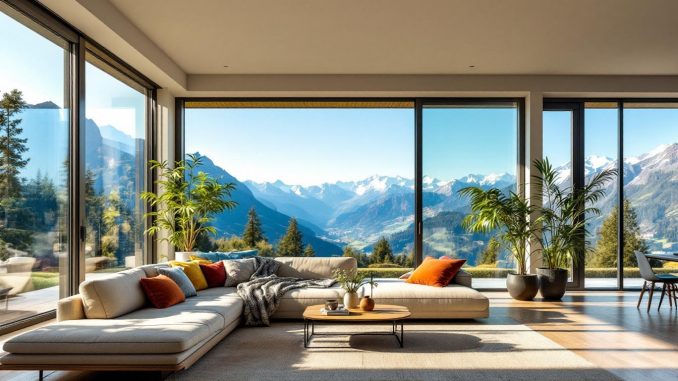
The global pandemic fundamentally reshaped how people view their homes, transforming living spaces from mere shelters into multifunctional environments. This transformation has triggered unprecedented shifts in the residential property market, with buyers and renters now prioritizing different features than they did just five years ago. Changing lifestyles and shifting residential property demand reflect broader societal trends, from remote work adoption to environmental consciousness. The average property price in France reached 3,000 € per square meter in 2023, yet this figure masks significant regional variations driven by evolving preferences. Urban centers that once commanded premium prices now compete with rural areas experiencing remarkable growth. Understanding these dynamics has become essential for anyone navigating today’s real estate landscape, whether purchasing a first home, investing in rental properties, or simply monitoring market trends.
How Modern Living Patterns Are Reshaping Property Choices
The widespread adoption of remote work arrangements has fundamentally altered what buyers seek in residential properties. Before 2020, proximity to employment centers dominated location decisions. Today, roughly 40% of French workers maintain some form of flexible work schedule, creating demand for homes with dedicated office spaces. Properties featuring an extra bedroom that can serve as a workspace now sell faster and command higher prices than comparable homes without this flexibility.
This shift extends beyond simple square footage. Buyers increasingly evaluate properties based on criteria that support diverse daily activities. Natural lighting, soundproofing between rooms, and high-speed internet infrastructure have moved from nice-to-have features to deal-breakers. The traditional three-bedroom apartment in a city center competes with four-bedroom houses in suburban or rural areas that offer similar commute times but greater space and outdoor access.
Environmental awareness has also influenced residential preferences significantly. Properties with high energy performance ratings attract more interest, partly due to rising utility costs and partly from genuine ecological concern. The Diagnostic de Performance Énergétique (DPE) now plays a decisive role in purchase decisions, with class F and G properties facing increased difficulty finding buyers. Regulations requiring energy renovations for the most inefficient homes by 2025 have accelerated this trend.
Family structures contribute another dimension to evolving demand. Multi-generational households have become more common, creating interest in properties with separate living areas or potential for conversion. Single-person households, which represent a growing demographic segment, seek smaller but well-designed spaces in neighborhoods with strong community amenities. The concept of résidentialisation—transforming former industrial or commercial zones into residential areas—has gained traction as cities adapt to these demographic patterns.
Key factors now driving property selection include:
- Flexible interior layouts that accommodate changing needs over time
- Outdoor spaces such as balconies, terraces, or gardens for recreation and well-being
- Proximity to green spaces and recreational facilities rather than just commercial centers
- Access to quality healthcare and educational institutions within reasonable distance
- Energy efficiency features that reduce long-term operating costs
The Fédération Nationale de l’Immobilier (FNAIM) reports that properties meeting at least four of these criteria sell approximately 20% faster than those lacking these features. This data underscores how thoroughly buyer priorities have evolved in response to lifestyle changes.
Regional Price Dynamics and Market Segmentation
Property values across France have experienced divergent trajectories since 2020, with traditional urban strongholds facing unexpected competition. Paris and Lyon maintained their status as premium markets, yet growth rates have moderated compared to the previous decade. Meanwhile, secondary cities like Nantes, Bordeaux, and Rennes have seen sustained price increases as buyers seek urban amenities without the highest metropolitan costs.
The most striking development involves rural and peri-urban areas, which recorded a 30% increase in demand since 2020. This surge reflects more than temporary pandemic-driven panic buying. Improved digital infrastructure in previously underserved regions has made remote work viable from locations once considered too isolated. Properties in villages within an hour of major cities have become particularly sought after, creating new price pressures in markets that remained stable for decades.
Mortgage conditions have significantly influenced purchasing power throughout these shifts. Interest rates for property loans ranged between 1.5% and 2% throughout 2023, though rates have begun climbing as central banks adjust monetary policy. This remains historically low compared to rates from the 1990s or early 2000s, yet even modest increases affect affordability for buyers at the market’s entry level. The taux d’intérêt fixe remains the preferred option for most borrowers, providing predictability in long-term financial planning.
Investment properties have developed their own distinct market dynamics. The loi Pinel and other tax incentive programs continue influencing where investors direct capital, though regulatory changes have modified their attractiveness. Student housing near universities maintains consistent demand, while short-term rental markets face increased regulation in many municipalities. Investors now carefully analyze local regulations before committing capital, recognizing that favorable tax treatment alone no longer guarantees returns.
Regional variations extend to property types as well. Apartments dominate transactions in dense urban cores, while individual houses represent the majority of sales in suburban and rural markets. The Vente en l’État Futur d’Achèvement (VEFA) market—purchasing properties before construction completes—has shown resilience in growing cities where land scarcity limits existing inventory. Buyers accept longer timelines in exchange for customization options and modern construction standards.
Price disparities between regions have widened to levels not seen in recent memory. A two-bedroom apartment in central Paris might cost ten times more per square meter than a comparable unit in a rural département. These gaps create both challenges and opportunities, with some buyers relocating entirely to access property ownership that would remain unattainable in their original location.
Buyer Preferences and Emerging Market Segments
The profile of today’s property buyer differs markedly from previous generations. First-time buyers now enter the market at an older average age, often after accumulating savings over extended periods. The Prêt à Taux Zéro (PTZ) continues supporting these buyers, though eligibility criteria and available amounts have evolved with changing political priorities. Many young professionals prioritize neighborhood character and lifestyle amenities over maximizing square footage.
Sustainability considerations have moved from niche concern to mainstream requirement. Properties equipped with solar panels, heat pumps, or advanced insulation attract premium prices and sell more quickly. The Ministère de la Transition Écologique has implemented progressively stricter standards for new construction, pushing developers toward more environmentally responsible building practices. Buyers increasingly view energy efficiency as both an ethical choice and a financial calculation, recognizing that efficient homes cost less to operate over their lifetime.
The concept of community has gained renewed importance in property decisions. Developments that incorporate shared spaces, community gardens, or co-working areas appeal to buyers seeking social connection alongside private living space. This trend particularly resonates with younger buyers who value experiences and relationships as much as property ownership itself. Some developers have responded by creating mixed-use projects that blend residential, commercial, and recreational elements within walkable neighborhoods.
Investment buyers have diversified their strategies beyond traditional rental properties. Société Civile Immobilière (SCI) structures allow multiple investors to jointly purchase and manage properties, spreading risk while accessing larger or more valuable assets. This approach has gained popularity among families pooling resources and friend groups seeking vacation properties. The legal framework provides flexibility in managing ownership shares and inheritance planning.
Demographic shifts continue reshaping demand patterns. An aging population has increased interest in accessible housing designs, with features like single-level living, wider doorways, and adapted bathrooms. Developers targeting this segment often incorporate universal design principles that serve residents across all life stages. Conversely, younger buyers with children prioritize proximity to quality schools and safe outdoor spaces where kids can play independently.
Technology integration has become a standard expectation rather than a luxury feature. Smart home systems, advanced security features, and high-capacity internet connections now factor into property valuations. Buyers assume these technologies will be present or easily installable, particularly in newer constructions. Properties lacking modern infrastructure face disadvantages in competitive markets.
Adapting to Market Evolution and Future Considerations
Successfully navigating today’s property market requires understanding that changing lifestyles and shifting residential property demand represent ongoing processes rather than temporary disruptions. The factors driving current trends—remote work flexibility, environmental consciousness, demographic evolution—show no signs of reversing. Buyers and investors must therefore adopt long-term perspectives when making property decisions.
Professional guidance has become increasingly valuable as market complexity grows. Real estate agents affiliated with organizations like the FNAIM provide insights into local market conditions that generic online research cannot match. Notaries offer essential legal expertise, particularly when navigating complex transactions or specific property types. Financial advisors help buyers structure purchases to optimize tax benefits and long-term wealth building. Attempting to navigate major property transactions without professional support often leads to missed opportunities or costly mistakes.
The relationship between banks and borrowers has evolved alongside market conditions. Lending institutions now scrutinize debt-to-income ratios more carefully, reflecting both regulatory requirements and risk management practices. Buyers should prepare comprehensive financial documentation and demonstrate stable income sources. Those with irregular earnings or self-employment face additional scrutiny, though specialized lenders have emerged to serve these market segments.
Regional development patterns will continue diverging as infrastructure investments and policy decisions create new opportunities. High-speed rail connections can transform previously remote areas into viable commuter zones overnight. Conversely, areas lacking digital infrastructure will struggle to attract remote workers regardless of other amenities. Monitoring announced infrastructure projects and regulatory changes provides clues about which markets may experience future growth.
Climate considerations will increasingly influence property values and insurability. Coastal properties face rising concerns about flooding and erosion, while inland areas must consider heat waves and water availability. Insurance companies have begun adjusting premiums to reflect these risks, sometimes dramatically. Buyers should research local climate projections and natural disaster histories before committing to specific locations.
The rental market faces its own transformation as tenant expectations evolve. Furnished rentals with flexible lease terms appeal to mobile professionals, while traditional long-term leases remain standard for families. Landlords must balance tenant demands for modern amenities against renovation costs and regulatory constraints. Some municipalities have implemented rent control or other protective measures, limiting investor returns but stabilizing housing access for residents.
Looking forward, the residential property market will likely continue fragmenting into specialized niches serving distinct buyer segments. Mass-market approaches that dominated previous decades give way to targeted developments addressing specific lifestyle preferences. This specialization creates opportunities for buyers willing to clearly define their priorities and search strategically. Properties that authentically serve specific needs will command premiums over generic alternatives.