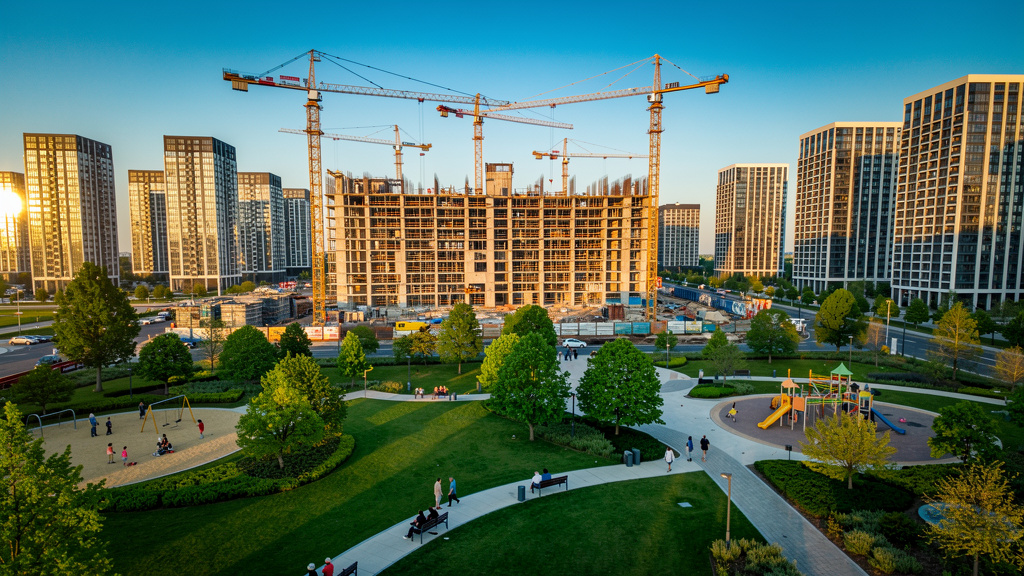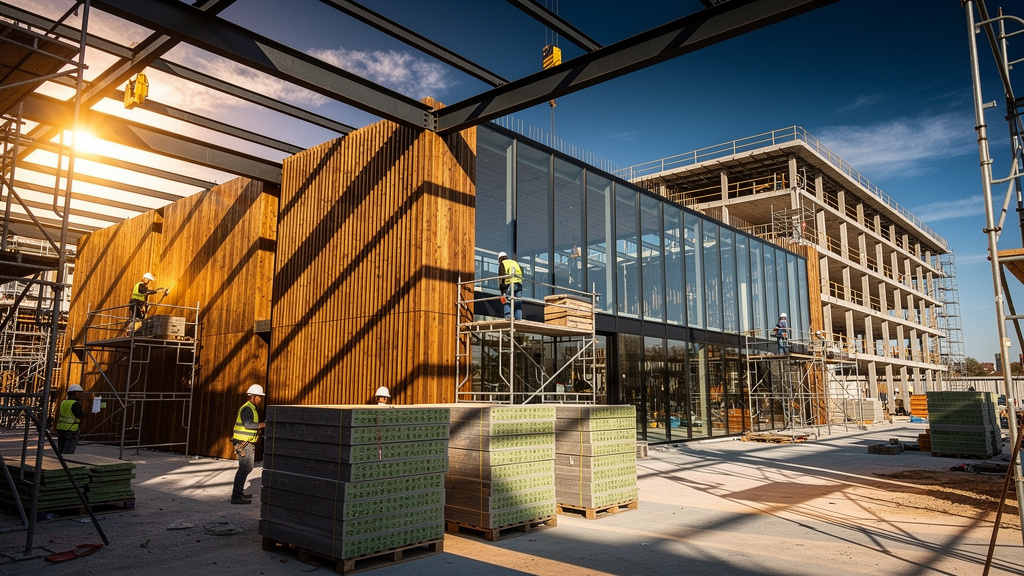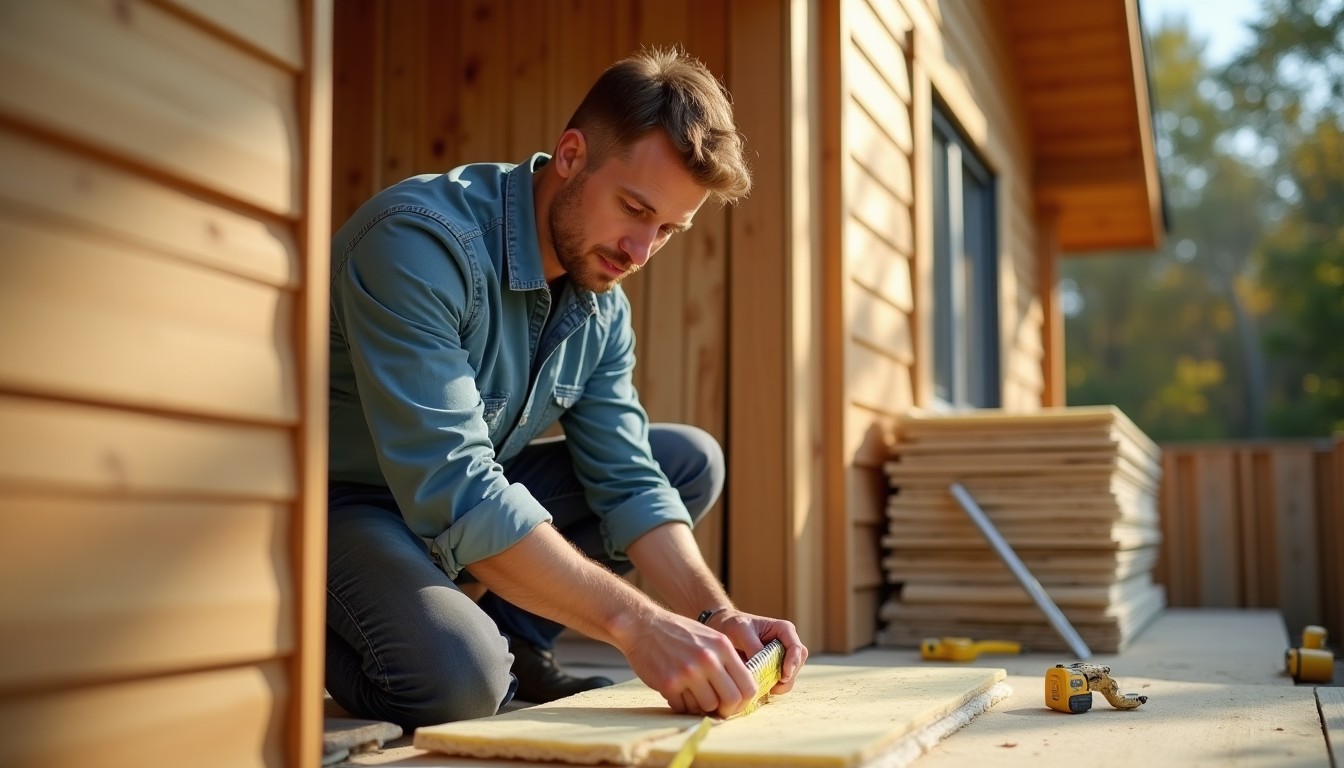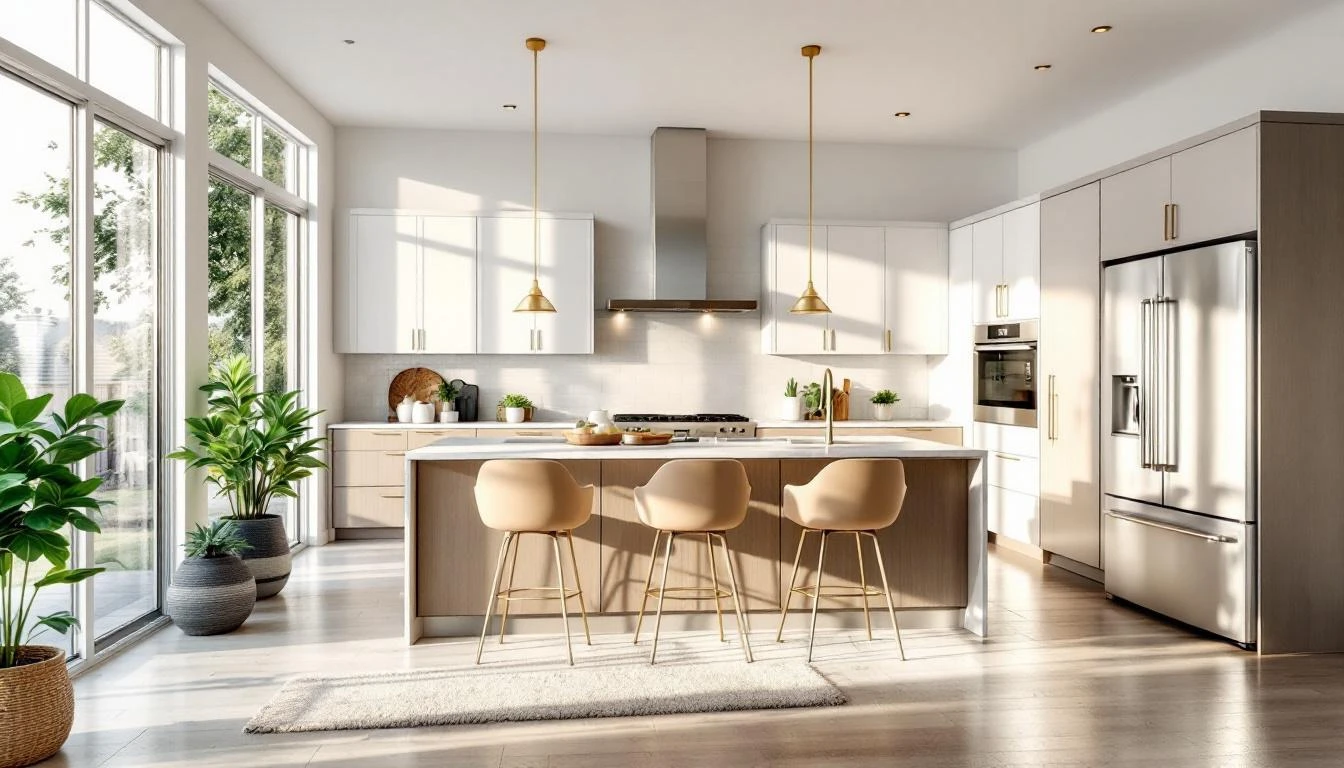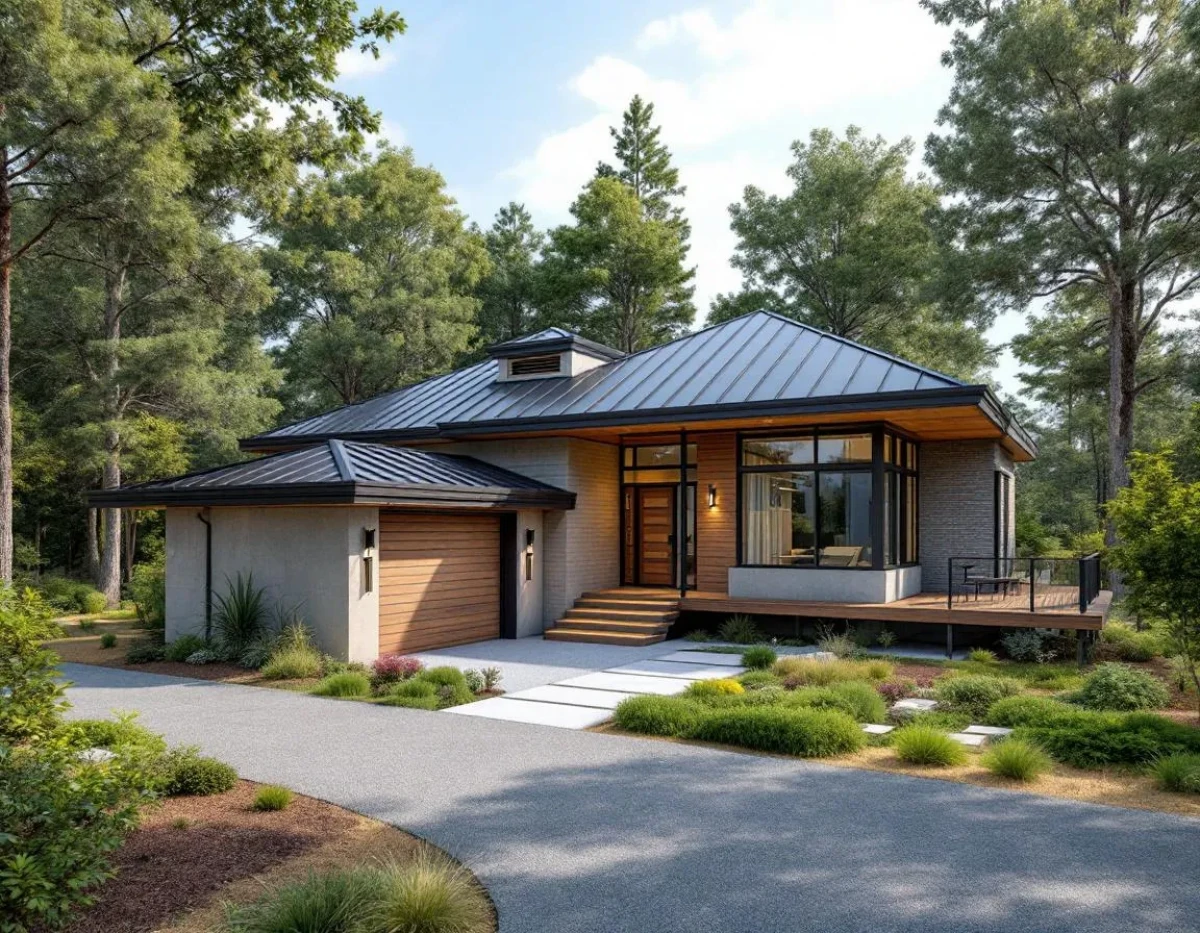

Green buildings are revolutionizing the real estate industry, ushering in a new era of sustainable construction and eco-friendly living. As environmental concerns take center stage globally, the demand for energy-efficient and environmentally responsible structures continues to surge, reshaping the landscape of modern architecture and urban development.
The Evolution of Green Building Practices
The concept of green buildings has evolved significantly over the past few decades. What began as a niche movement has transformed into a mainstream approach to construction and design. Today, green buildings incorporate a wide range of sustainable features, from energy-efficient systems to eco-friendly materials.
Key elements of modern green buildings include:
- Energy-efficient lighting and appliances
- Solar panels and renewable energy systems
- Water conservation fixtures
- Sustainable building materials
- Improved insulation and thermal performance
- Green roofs and living walls
These features not only reduce the environmental impact of buildings but can lead to significant cost savings for owners and occupants over time. The U.S. Green Building Council reports that LEED-certified buildings consume 25% less energy and 11% less water compared to non-certified buildings.
Driving Forces Behind the Green Building Movement
Several factors have contributed to the increasing popularity of green buildings in the real estate sector. Environmental awareness has grown substantially among consumers, investors, and policymakers, leading to a shift in priorities within the construction industry.
One of the primary drivers is the urgent need to address climate change. Buildings account for approximately 40% of global energy consumption and one-third of greenhouse gas emissions. By adopting green building practices, the real estate industry can play a crucial role in mitigating climate change and reducing carbon footprints.
Government regulations and incentives have further accelerated the adoption of green building practices. Many countries have implemented strict energy efficiency standards and offer tax breaks or grants for sustainable construction projects. For instance, the European Union's Energy Performance of Buildings Directive requires all new buildings to be nearly zero-energy by 2021.
Economic factors have played a significant role as well. While green buildings may have higher upfront costs, they offer substantial long-term savings through reduced energy and water consumption. Additionally, green buildings often command higher rental rates and property values, making them attractive investments for real estate developers and investors.
Technological Advancements Fueling Green Building Innovation
Rapid advancements in technology have been instrumental in driving the green building revolution. Innovations in materials science, energy systems, and smart building technologies have expanded the possibilities for sustainable design and construction.
Some of the most impactful technological developments include:
- High-performance building materials
- Smart energy management systems
- Advanced HVAC technologies
- Building information modeling (BIM) software
- Internet of Things (IoT) sensors for optimizing building performance
These technologies enable buildings to operate more efficiently, reduce waste, and provide better indoor environmental quality for occupants. For example, smart energy management systems can automatically adjust lighting and temperature based on occupancy and time of day, significantly reducing energy consumption.
The Impact of Green Buildings on Urban Development
The rise of green buildings is reshaping urban landscapes and influencing city planning strategies. As more cities strive to become sustainable and resilient, green buildings are becoming integral to urban development plans.
Green buildings contribute to the creation of healthier, more livable urban environments by reducing air pollution, mitigating the urban heat island effect, and promoting biodiversity through features like green roofs and vertical gardens. They can help cities meet their sustainability goals and improve the quality of life for residents.
Many cities are now incorporating green building requirements into their zoning laws and building codes. For instance, New York City's Climate Mobilization Act mandates that large buildings meet strict carbon emissions limits, effectively requiring many structures to undergo green retrofits or face hefty fines.
Challenges and Opportunities in Green Building Adoption
Despite the numerous benefits, the widespread adoption of green building practices still faces several challenges. One of the primary obstacles is the perception of higher upfront costs. While green buildings can offer significant long-term savings, the initial investment can be a deterrent for some developers and property owners.
Other challenges include:
- Lack of awareness and education about green building benefits
- Limited availability of skilled professionals in sustainable design and construction
- Complexity of green building certification processes
- Resistance to change within the construction industry
Addressing these challenges presents opportunities for innovation and growth within the real estate sector. There is a growing demand for professionals with expertise in sustainable design, green building technologies, and environmental regulations. This has led to the emergence of new job roles and specializations within the industry.
Furthermore, the green building movement has spurred the development of new business models and financing mechanisms. Green bonds and sustainable real estate investment trusts (REITs) are gaining popularity, providing new avenues for funding eco-friendly construction projects.
The Future of Green Buildings in Real Estate
The future of green buildings in real estate looks promising, with continued growth and innovation on the horizon. As technology advances and awareness grows, we can expect to see even more sophisticated and efficient green building designs.
Some trends that are likely to shape the future of green buildings include:
- Net-zero energy buildings
- Biophilic design integrating nature into built environments
- Circular economy principles in construction and demolition
- Increased use of artificial intelligence for building optimization
- Greater focus on occupant health and well-being
The COVID-19 pandemic has further highlighted the importance of healthy indoor environments, which is likely to accelerate the adoption of green building practices that prioritize air quality and occupant wellness.
As climate change concerns intensify, the real estate industry will face increasing pressure to adopt sustainable practices. Green buildings are poised to become the new standard rather than the exception, with sustainability considerations integrated into every aspect of real estate development and management.
The rise of green buildings represents a fundamental shift in the real estate industry towards more sustainable and responsible practices. By embracing eco-friendly design and construction, the sector can play a significant role in addressing global environmental challenges while creating healthier, more efficient spaces for people to live and work. As technology advances and awareness grows, green buildings will continue to evolve, shaping the future of our built environment and contributing to a more sustainable world.