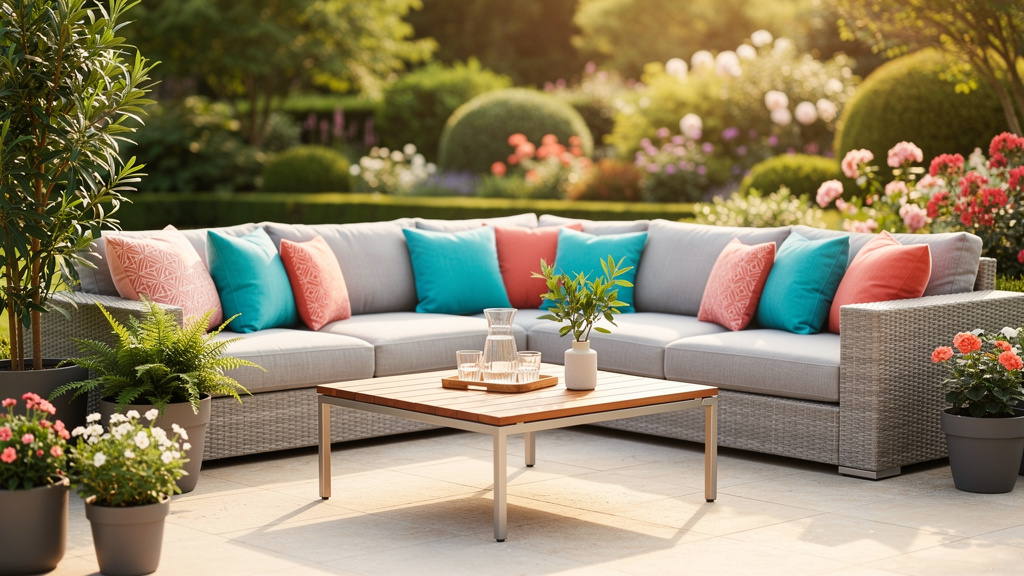
The way homeowners design and furnish their outdoor spaces has shifted dramatically over the past few years. Outdoor furniture trends for modern homeowners now reflect a broader cultural move toward blending indoor comfort with exterior living — a shift accelerated by changing lifestyles and a growing appreciation for well-designed residential spaces. According to industry data, the outdoor furniture market grew by 5% in 2022, and that momentum has carried into 2023 with no sign of slowing. Around 70% of homeowners now rank exterior design as a genuine priority when improving their property. Whether you own a compact urban terrace or a sprawling garden, the choices you make outdoors directly affect your daily quality of life — and the market value of your home.
Materials That Define the New Generation of Outdoor Furniture
Material choice has become the single most debated decision in outdoor furniture selection. Teak wood remains a perennial favorite, prized for its natural resistance to moisture and insects, but it now shares the spotlight with newer contenders. Recycled aluminum has surged in popularity, offering lightweight durability without the maintenance burden of traditional metals. Powder-coated finishes in matte black or warm bronze give aluminum frames a sophisticated appearance that pairs easily with stone, concrete, and natural fiber elements.
Synthetic rattan — technically called resin wicker — continues to dominate mid-range outdoor collections. Unlike natural rattan, which deteriorates in rain and sun, the resin version holds its shape and color across seasons. Brands such as Brown Jordan and Fermob have invested heavily in developing proprietary weaves that replicate the warmth of natural materials while meeting the durability expectations of modern buyers.
Concrete and fiber cement have also entered the outdoor furniture conversation in a meaningful way. These materials work particularly well for fixed outdoor dining tables and low coffee tables, where weight is not a practical concern. Their raw, textured surfaces complement the biophilic design movement — an approach that deliberately integrates natural textures and organic forms into built environments to support psychological well-being.
Prices across these material categories vary considerably. Entry-level outdoor sets in powder-coated steel or basic resin start around $100 to $300, while premium teak or cast aluminum collections from established manufacturers can reach $2,500 to $3,000 or beyond. The gap in price often reflects longevity: a quality teak set purchased today may still be in use fifteen years from now, making the upfront cost more defensible than it first appears.
One underappreciated material trend is the rise of Sunbrella-grade fabrics for cushions and upholstery. These solution-dyed acrylic textiles resist UV fading, mold, and moisture far better than standard polyester fills, and they now come in hundreds of colors and patterns that rival indoor upholstery options. Choosing the right fabric is just as consequential as choosing the right frame material.
Design Styles Shaping Outdoor Spaces in 2026
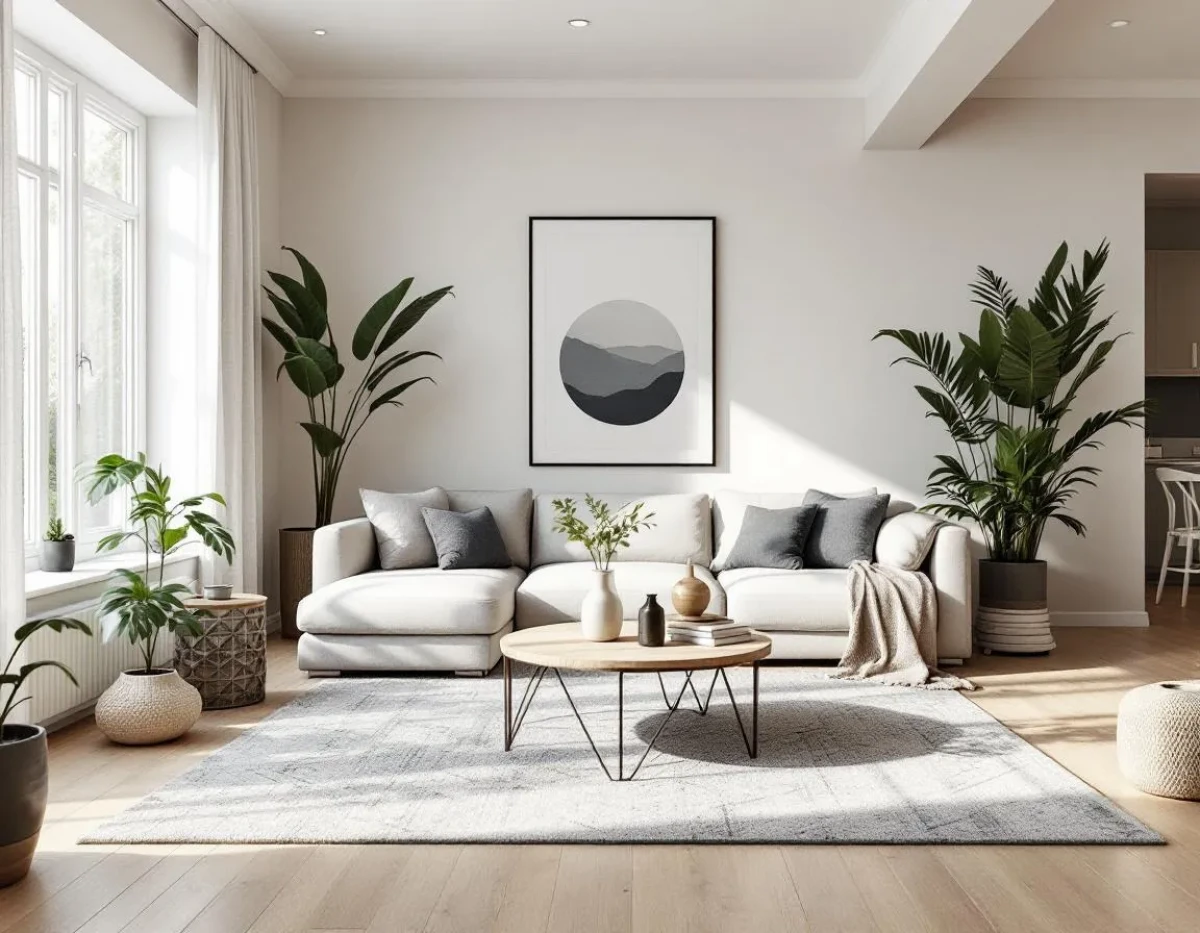
Style preferences in outdoor furniture have fragmented. There is no single dominant aesthetic — instead, several distinct directions coexist, and homeowners are mixing them with more confidence than previous generations. Minimalist Scandinavian design remains strong, characterized by clean lines, neutral palettes, and an absence of ornamental detail. This style translates naturally to outdoor settings, where simplicity tends to age well and photograph well.
At the opposite end of the spectrum, Mediterranean and Bohemian influences have gained traction, particularly in warmer climates. Think layered textiles, terracotta tones, hand-thrown ceramic planters alongside rattan seating, and wrought iron details with a slightly worn finish. This aesthetic prioritizes atmosphere over uniformity, and it rewards personal curation rather than buying a matched set.
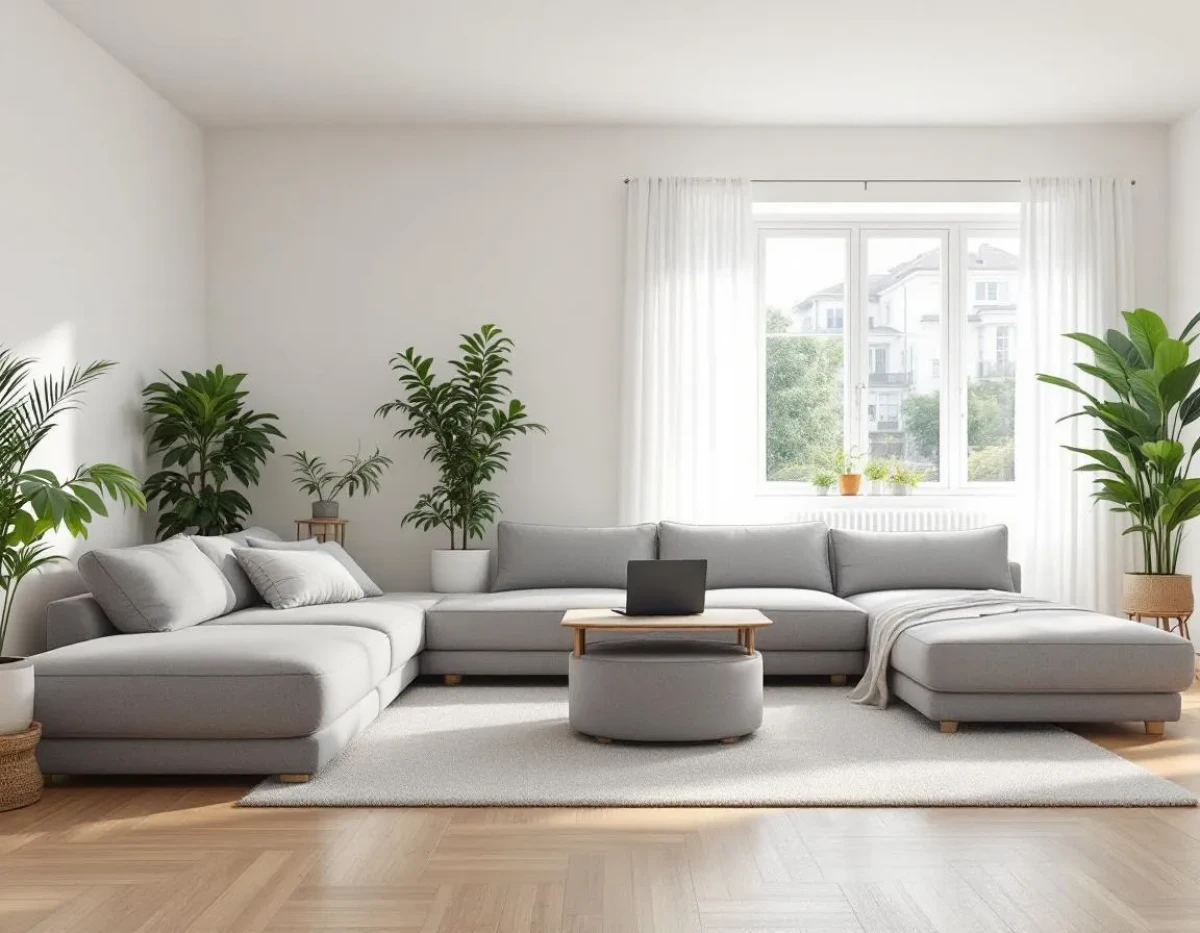
One of the most commercially significant trends is the move toward modular outdoor seating systems. Rather than purchasing a fixed sofa-and-chairs combination, homeowners now favor sectional pieces that can be rearranged to suit different occasions — an intimate dinner one weekend, a larger gathering the next. The International Casual Furnishings Association has tracked this preference shift over several consecutive trade show cycles, and manufacturers have responded with deeper modular product lines.
Reclining and ergonomic seating has also become a design category in its own right. A well-designed zero gravity chair distributes body weight across the full length of the frame, reducing spinal pressure in a way that standard garden chairs simply cannot replicate — making it a genuinely functional addition to any outdoor relaxation zone, not just a novelty purchase.
Color is shifting toward earthy, grounded tones: terracotta, sage green, warm sand, and deep charcoal. The era of all-white outdoor furniture is not over, but it is no longer the default. These warmer palettes connect more naturally with garden planting and natural stone, creating a visual coherence that feels intentional rather than accidental.
How Outdoor Design Affects Property Value
Real estate professionals have long understood that curb appeal influences buyer perception, but the relationship between outdoor living investment and measurable property value is now better documented than ever. A well-furnished and landscaped exterior signals maintenance, lifestyle quality, and attention to detail — all factors that shape a buyer's emotional response before they step through the front door.
In competitive real estate markets, a thoughtfully designed terrace or garden can differentiate a property within its price bracket. Outdoor kitchens, pergolas with integrated lighting, and weather-resistant lounge areas have moved from luxury features to expected amenities in certain market segments. Properties offering these elements consistently attract more viewings and, in many cases, faster offers.
The American Home Furnishings Alliance has noted that outdoor furniture investment tends to have a higher perceived value than its actual cost when presented in a real estate context. A $1,500 outdoor dining set, properly staged and photographed, can make a terrace appear worth significantly more than the furniture itself. This is why staging professionals increasingly include outdoor furniture in their pre-sale recommendations.
For homeowners thinking about return on investment, the calculation is straightforward: outdoor spaces that are clearly livable and well-maintained justify higher asking prices. The key is choosing durable, weather-resistant pieces that photograph well and require minimal explanation — buyers should immediately understand how the space works and feel drawn to use it.
Beyond resale value, there is a daily quality-of-life dimension that matters equally. Outdoor spaces that are genuinely comfortable and functional get used. Spaces that are merely decorative do not. Investing in seating that supports real relaxation, tables sized for actual meals, and shade structures that make afternoon sun manageable all translate into a space that earns its square footage every week of the year.
What Modern Homeowners Are Actually Buying
Looking at purchasing data and retail trends, several categories stand out as the dominant choices among modern homeowners in 2023. The outdoor dining set remains the most common purchase, but the configuration has changed. Four-seat rectangular tables have largely given way to round or oval formats that seat six, reflecting both larger household sizes and a preference for social flexibility.
Outdoor sofas and sectionals are the second major category, and they have become considerably more sophisticated. The cushion thickness, the seat depth, and the height of the backrest are now specified with the same precision as indoor upholstery. Homeowners are no longer willing to accept discomfort outdoors simply because the furniture is weather-resistant.
The fastest-growing subcategory is outdoor accessories and accent pieces: side tables, outdoor rugs, lanterns, and throw pillows designed for exterior use. These items allow homeowners to refresh the look of an existing outdoor setup without replacing the core furniture — a financially sensible approach that also satisfies the desire for seasonal updates.
- Modular sectional sofas with weatherproof cushions for flexible entertaining arrangements
- Extendable dining tables in powder-coated aluminum or teak for adaptable hosting
- Ergonomic reclining chairs designed for genuine rest rather than decorative presence
- Outdoor rugs in polypropylene that define zones and resist moisture without deteriorating
- Solar-powered accent lighting integrated into furniture frames or freestanding beside them
IKEA has democratized access to many of these categories at the entry level, while specialist brands continue to serve the premium segment with proprietary materials and extended warranties. The market now genuinely serves every budget point, which partly explains the 5% annual growth figure recorded in 2022.
Making Outdoor Furniture Work for the Long Term
Choosing the right pieces is only part of the equation. Outdoor furniture requires a maintenance strategy that most buyers underestimate at the point of purchase. Teak oil treatments, applied once or twice per year, preserve the wood's natural color and prevent graying. Aluminum frames need only occasional washing with mild soap. Resin wicker benefits from a seasonal deep clean to prevent mold buildup in the weave.
Storage matters as much as maintenance. Homeowners without covered outdoor storage should prioritize furniture covers rated for UV and moisture resistance. High-quality furniture covers from brands like Classic Accessories or Coverstore extend the usable life of outdoor pieces by several years — a practical investment that costs a fraction of the furniture itself.
The most durable outdoor setups combine weather-resistant frames with replaceable cushions. When cushion fabric eventually fades or wears, replacing the covers rather than the entire piece saves money and reduces waste. Several manufacturers now sell cushion covers separately for exactly this reason, treating them as a consumable component of an otherwise long-lived product.
Thinking about outdoor furniture as a long-term residential asset — rather than a seasonal purchase — changes the buying decision entirely. It shifts the focus from initial price to total cost of ownership, from trend-chasing to timeless design, and from impulse buying to deliberate curation. That shift in perspective is, ultimately, what separates outdoor spaces that age well from those that look tired after two summers.