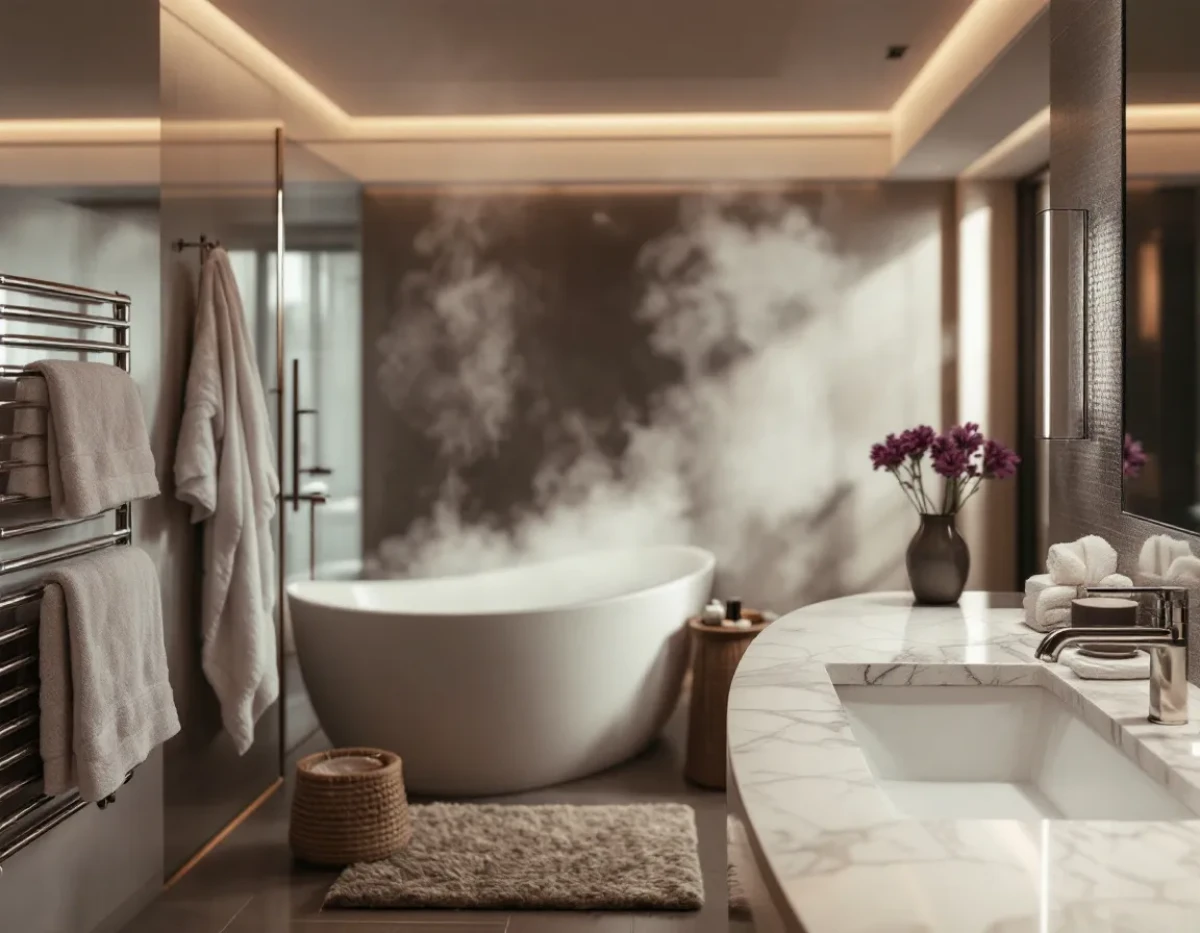
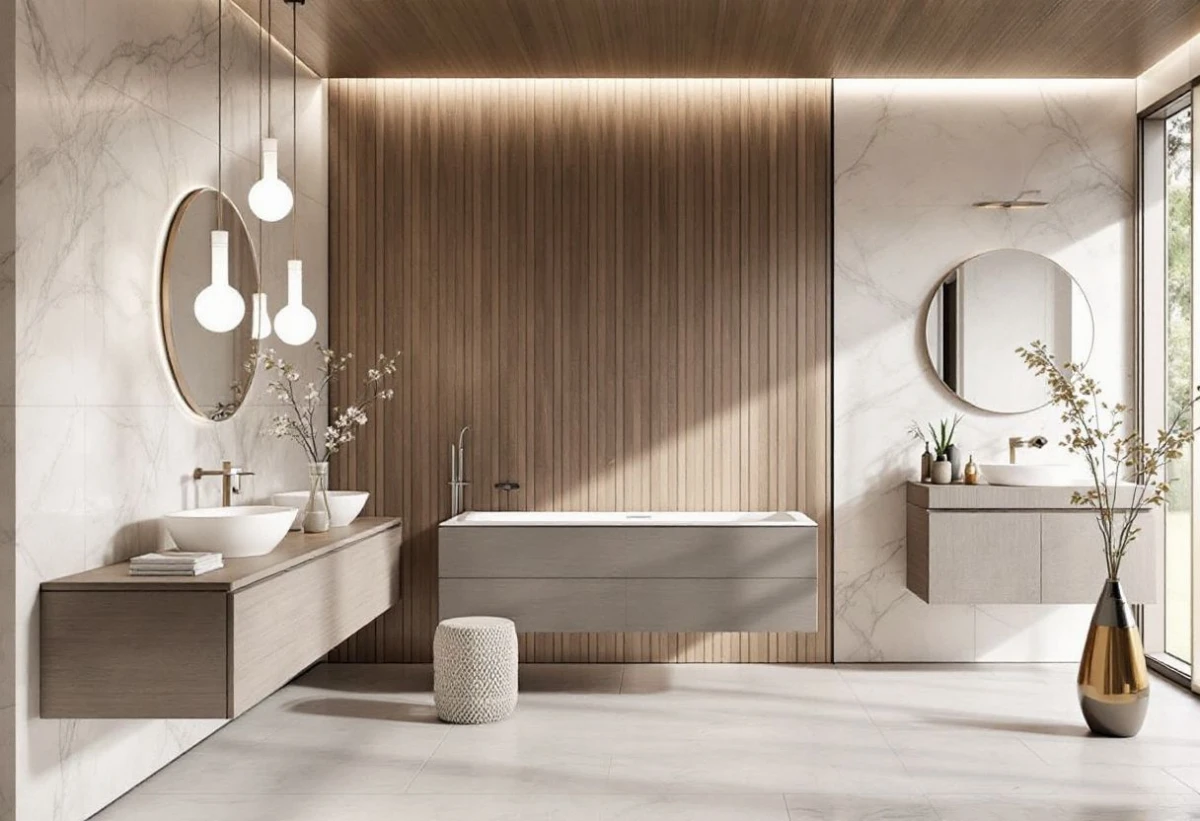
As we approach 2025, bathroom design is undergoing a remarkable transformation. No longer just functional spaces, modern bathrooms are becoming high-tech sanctuaries that prioritize sustainability, wellness, and personalized experiences. This article delves into the most innovative trends shaping bathroom design for 2025, exploring how smart technology, eco-friendly materials, and luxurious features are converging to create spaces that are both indulgent and environmentally conscious. From water-saving fixtures to AI-powered amenities, we'll uncover the elements that will define the bathrooms of tomorrow.
Smart Technology Integration
The bathroom of 2025 is set to become a hub of smart technology, offering unprecedented levels of convenience and personalization. Voice-activated controls will allow users to adjust lighting, temperature, and even run a bath with simple vocal commands. Smart mirrors equipped with touchscreen interfaces will display weather forecasts, news updates, and personal health data, transforming morning routines into informative experiences.
One of the most significant advancements will be the integration of AI-powered health monitoring systems. These sophisticated devices will analyze waste and provide real-time health insights, potentially detecting early signs of illness or nutritional deficiencies. Smart toilets will feature built-in biometric sensors capable of measuring vital signs such as heart rate and blood pressure, offering a non-intrusive way to track overall health.
Shower systems will evolve to include personalized water pressure and temperature settings for each user, activated by facial recognition technology or smartphone apps. These systems will also incorporate water usage tracking, encouraging conservation by displaying real-time consumption data and suggesting ways to reduce water waste.
Innovative Smart Features
- Automated aromatherapy dispensers synced with mood lighting
- Self-cleaning surfaces using UV light and nanotechnology
- Digital water purification systems for drinking water straight from the tap
- Heated flooring with zoned temperature control
- Smart storage solutions with inventory tracking for toiletries
The integration of these smart technologies will not only enhance comfort and convenience but also promote better health habits and environmental awareness, making the bathroom a central part of our daily wellness routines.
Sustainable Materials and Eco-Friendly Design
Sustainability will be at the forefront of bathroom design in 2025, with a strong emphasis on eco-friendly materials and energy-efficient solutions. Recycled and upcycled materials will gain prominence, with designers opting for countertops made from recycled glass or plastic, and flooring crafted from reclaimed wood or cork.
Bamboo, known for its rapid growth and renewability, will become a popular choice for cabinetry and decorative elements. Low-impact concrete, made with recycled aggregates and lower carbon emissions during production, will offer a sustainable alternative for sinks and tubs while maintaining a sleek, modern aesthetic.
Water conservation will drive innovations in fixture design. Ultra-low flow toilets and greywater recycling systems will become standard, significantly reducing household water consumption. Aerating faucets and showerheads will deliver a luxurious experience while using a fraction of the water compared to traditional models.
Innovative Eco-Materials
- Bio-based plastics derived from algae or agricultural waste for accessories
- Self-healing concrete that repairs minor cracks, extending the lifespan of surfaces
- Mycelium-based materials for sound insulation and decorative panels
- Solar tiles integrated into bathroom windows for energy generation
- Biodegradable textiles made from pineapple or banana fibers for towels and bath mats
The focus on sustainability will extend beyond materials to encompass the entire lifecycle of bathroom products. Manufacturers will prioritize modular designs that allow for easy repair and component replacement, reducing waste and extending product lifespans. This shift towards circular economy principles will redefine how we think about bathroom fixtures and furnishings.
Wellness-Focused Design Elements
The bathroom of 2025 will increasingly be viewed as a personal wellness retreat, incorporating elements that promote physical and mental well-being. Chromotherapy lighting systems will use color psychology to enhance mood and energy levels, while built-in sound systems will offer soothing nature sounds or guided meditation tracks for stress relief.
Hydrotherapy features will become more sophisticated, with multi-jet shower systems offering customized massage programs and smart bathtubs capable of maintaining precise water temperatures for extended periods. These tubs may also incorporate microbubble technology, which can improve skin hydration and promote relaxation.
Air quality will be a major focus, with advanced ventilation systems that not only remove humidity but also filter out pollutants and allergens. Plant walls or integrated terrariums will bring nature indoors, improving air quality and creating a calming atmosphere.
Innovative Wellness Features
- Infrared saunas integrated into shower enclosures for detoxification
- Circadian lighting systems that adjust throughout the day to support natural sleep-wake cycles
- Aromatherapy shower heads with interchangeable essential oil cartridges
- Anti-fog mirrors with built-in UV sanitization
- Heated towel racks with moisture sensors to prevent mildew growth
The integration of wellness-focused design elements will transform bathrooms into personal spa-like retreats, encouraging users to prioritize self-care and relaxation in their daily routines.
Personalization and Adaptability
Bathrooms in 2025 will offer unprecedented levels of personalization, adapting to individual preferences and changing needs. Modular furniture systems will allow for easy reconfiguration of the space, accommodating different users or evolving requirements over time. This flexibility will be particularly valuable in multi-generational households or for those aging in place.
Smart storage solutions will use RFID technology to track toiletries and automatically reorder items when they run low. Digital interfaces will allow users to customize every aspect of their bathroom experience, from water temperature and pressure to ambient lighting and music, with settings automatically adjusted based on user profiles.
3D-printed fixtures and accessories will enable truly bespoke designs, allowing homeowners to create unique pieces that perfectly match their aesthetic preferences and functional needs. This technology will also facilitate rapid prototyping and on-demand production, reducing waste and inventory costs for manufacturers.
Innovative Personalization Features
- Adjustable-height sinks and toilets for improved accessibility
- Interactive mirror displays for virtual makeup try-ons and skincare analysis
- Customizable shower enclosures with interchangeable glass patterns or digital displays
- Biometric locks for cabinets to secure medications or valuables
- Voice-activated mood settings that adjust multiple elements simultaneously
The emphasis on personalization and adaptability will ensure that bathrooms of the future can evolve with changing trends and individual needs, providing a tailored experience for each user.
Innovative Materials and Finishes
The bathrooms of 2025 will showcase a range of innovative materials and finishes that combine aesthetics with functionality. Self-cleaning surfaces using nanotechnology will repel water, soap scum, and bacteria, significantly reducing maintenance needs. These surfaces may incorporate photocatalytic coatings that break down organic matter when exposed to light, keeping the bathroom fresher for longer.
Smart glass technology will be widely adopted, allowing shower enclosures and windows to switch from transparent to opaque with the touch of a button or voice command. This feature will enhance privacy and eliminate the need for traditional blinds or curtains.
Biomimetic materials inspired by nature will gain popularity. For example, tiles mimicking the water-repellent properties of lotus leaves could be used for easy-to-clean flooring, while surfaces inspired by shark skin could inhibit bacterial growth without the use of harsh chemicals.
Cutting-Edge Material Innovations
- Shape-memory alloys for fixtures that adapt to user preferences
- Self-healing ceramics that repair minor scratches and chips
- Thermochromic materials that change color based on temperature
- Graphene-enhanced composites for ultra-strong, lightweight structures
- Bioluminescent materials for subtle, energy-free night lighting
These innovative materials and finishes will not only enhance the aesthetic appeal of bathrooms but also contribute to improved hygiene, energy efficiency, and overall functionality.
Space-Saving Solutions for Urban Living
As urban populations continue to grow, bathroom design in 2025 will place a strong emphasis on space-saving solutions without compromising on functionality or style. Multifunctional fixtures will become increasingly common, such as sink-toilet combinations that use greywater from handwashing to flush the toilet, or shower-bathtub hybrids that can switch between modes to suit different needs.
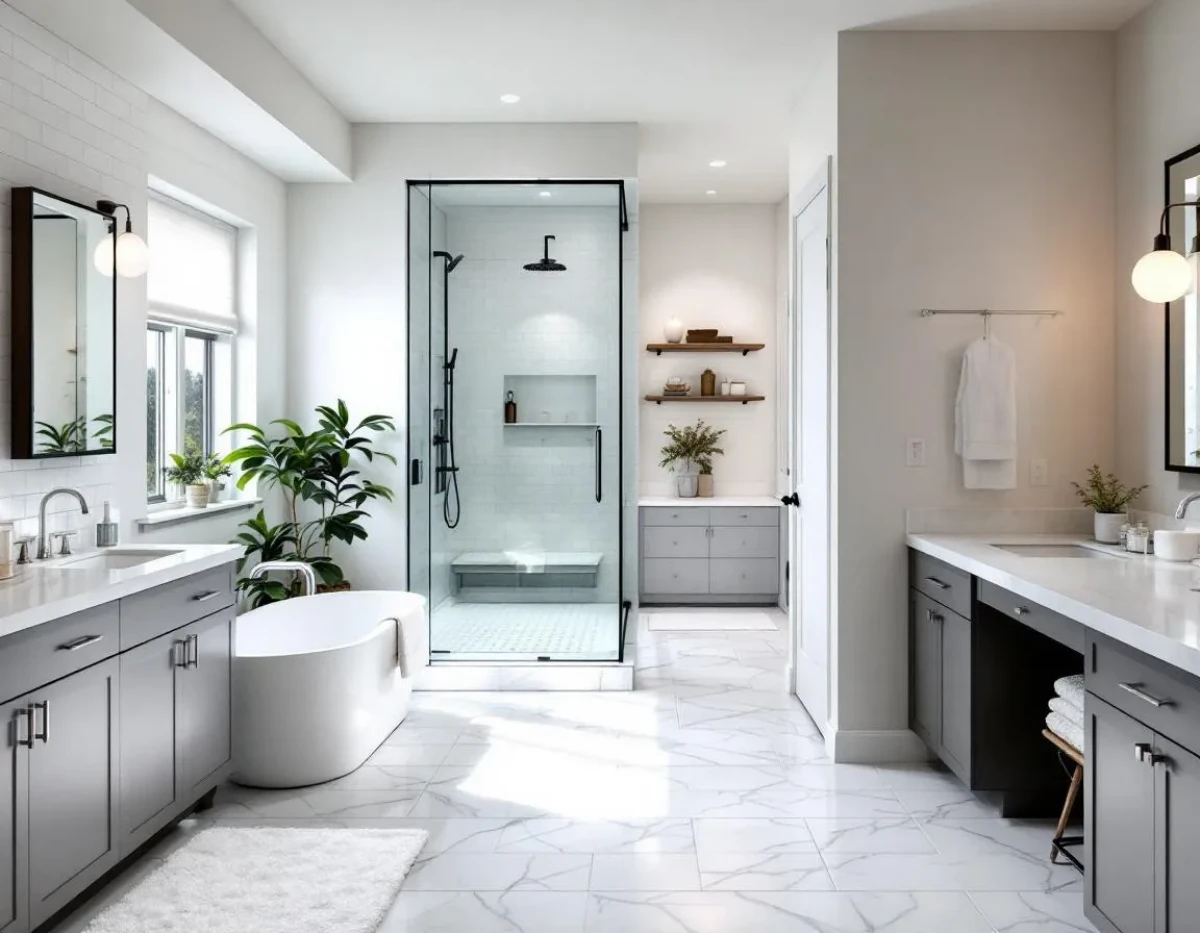
Wall-mounted toilets and floating vanities will be standard in compact bathrooms, creating the illusion of more floor space and facilitating easier cleaning. Foldable or retractable elements, such as shower doors that collapse into the wall when not in use, will maximize usable space in tight quarters.
Vertical storage solutions will make use of often-overlooked wall space, with modular systems that can be easily reconfigured as needs change. Smart mirrors with built-in storage compartments will serve double duty, providing both functionality and hidden storage.
Innovative Space-Saving Features
- Compact, all-in-one units combining toilet, sink, and shower for micro-apartments
- Rotating or sliding walls to create flexible bathroom-dressing room spaces
- Ceiling-mounted amenities such as retractable clothes drying racks or storage pods
- Under-floor storage compartments accessed via lift-up floor tiles
- Expandable shower enclosures that can be enlarged for use and compacted when not needed
These space-saving innovations will enable even the smallest urban bathrooms to offer a full range of features and amenities, maximizing functionality without sacrificing comfort or style.
As we look towards 2025, it's clear that bathroom design is undergoing a radical transformation. The convergence of smart technology, sustainable materials, wellness-focused features, and innovative design solutions is creating spaces that are not only functional but also contribute significantly to our overall well-being and environmental consciousness. These trends reflect a broader shift in how we view the role of bathrooms in our homes and daily lives, elevating them from purely utilitarian spaces to personalized retreats that cater to our individual needs and preferences while aligning with global sustainability goals.